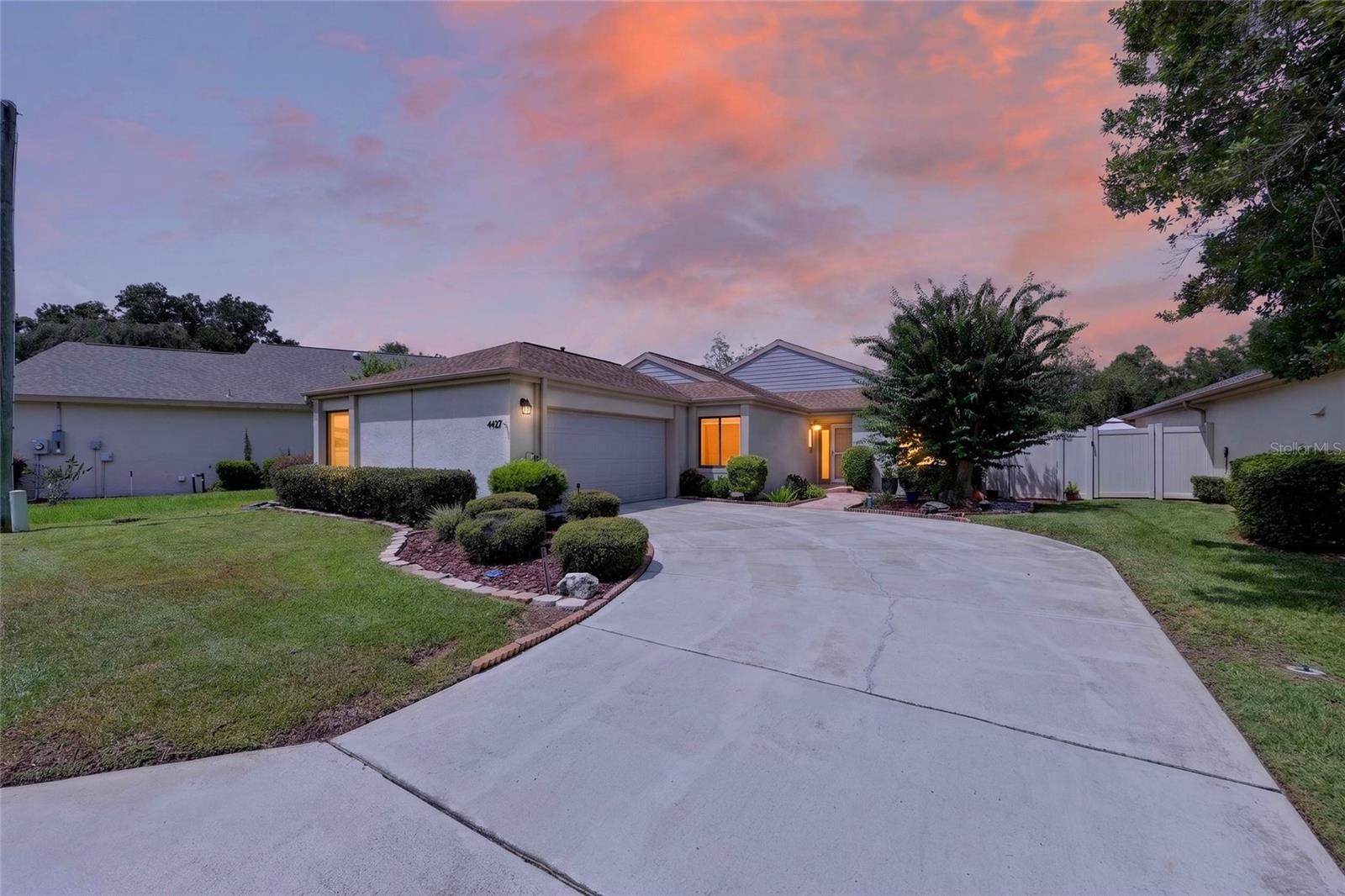
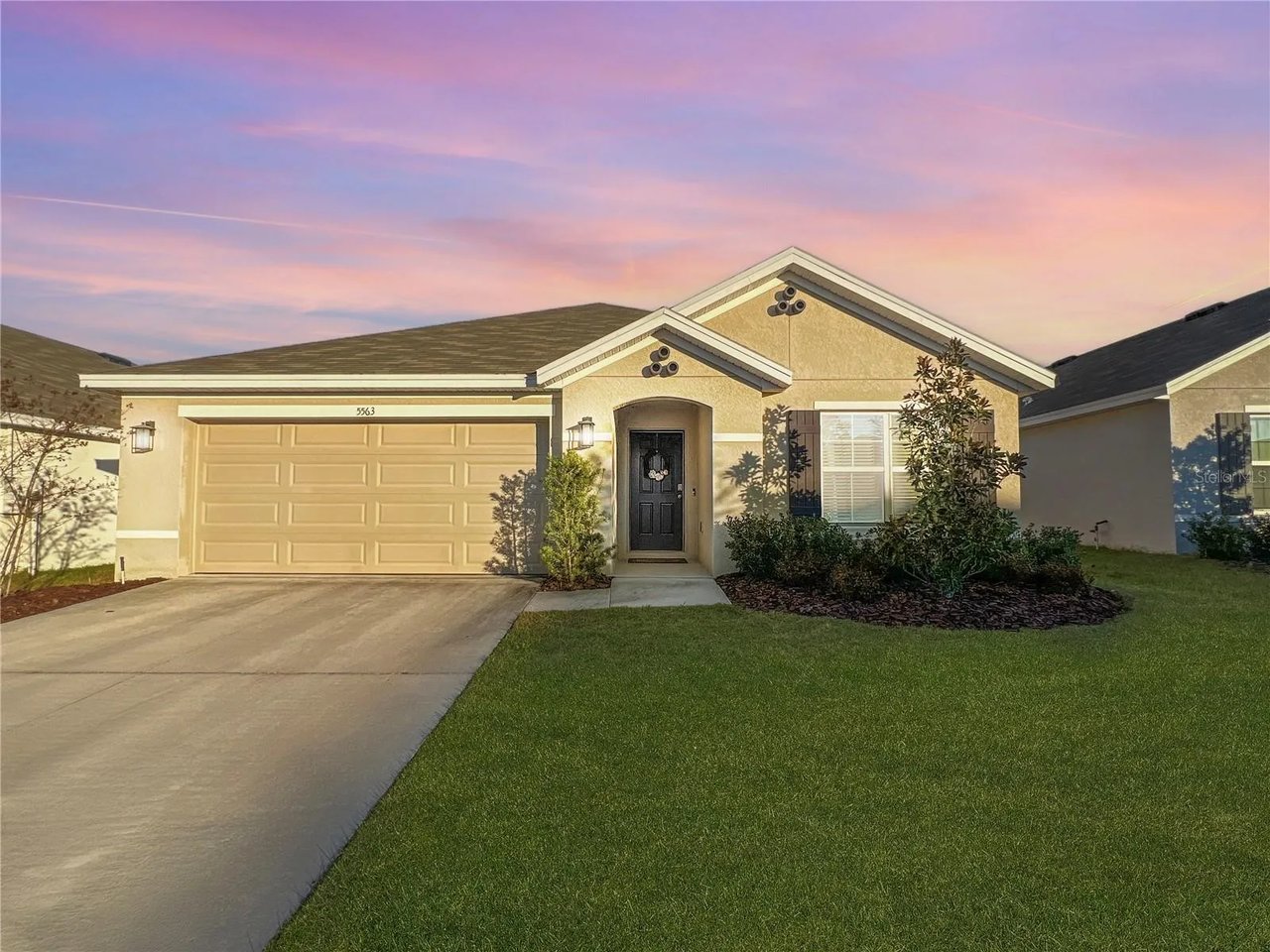
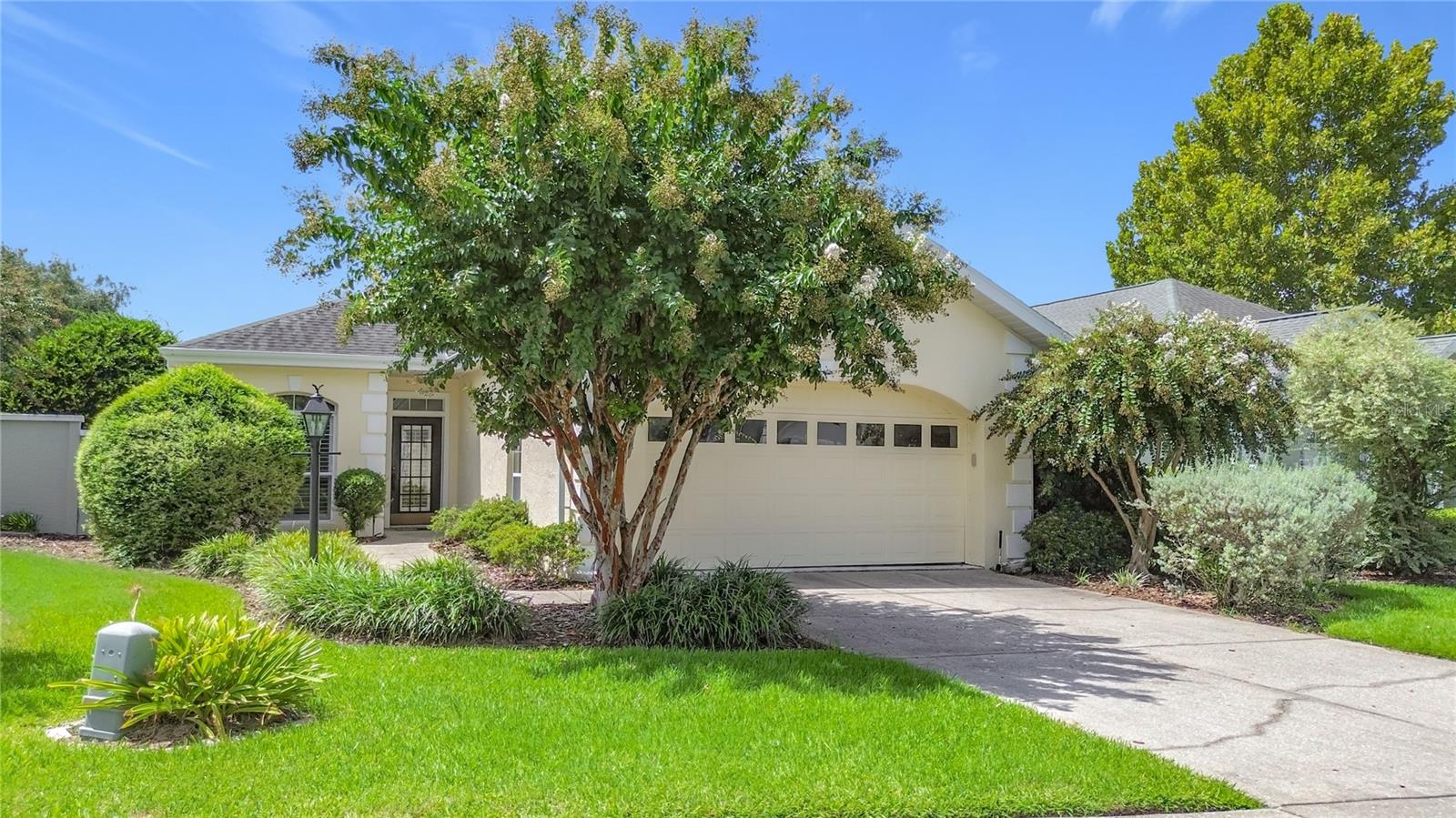
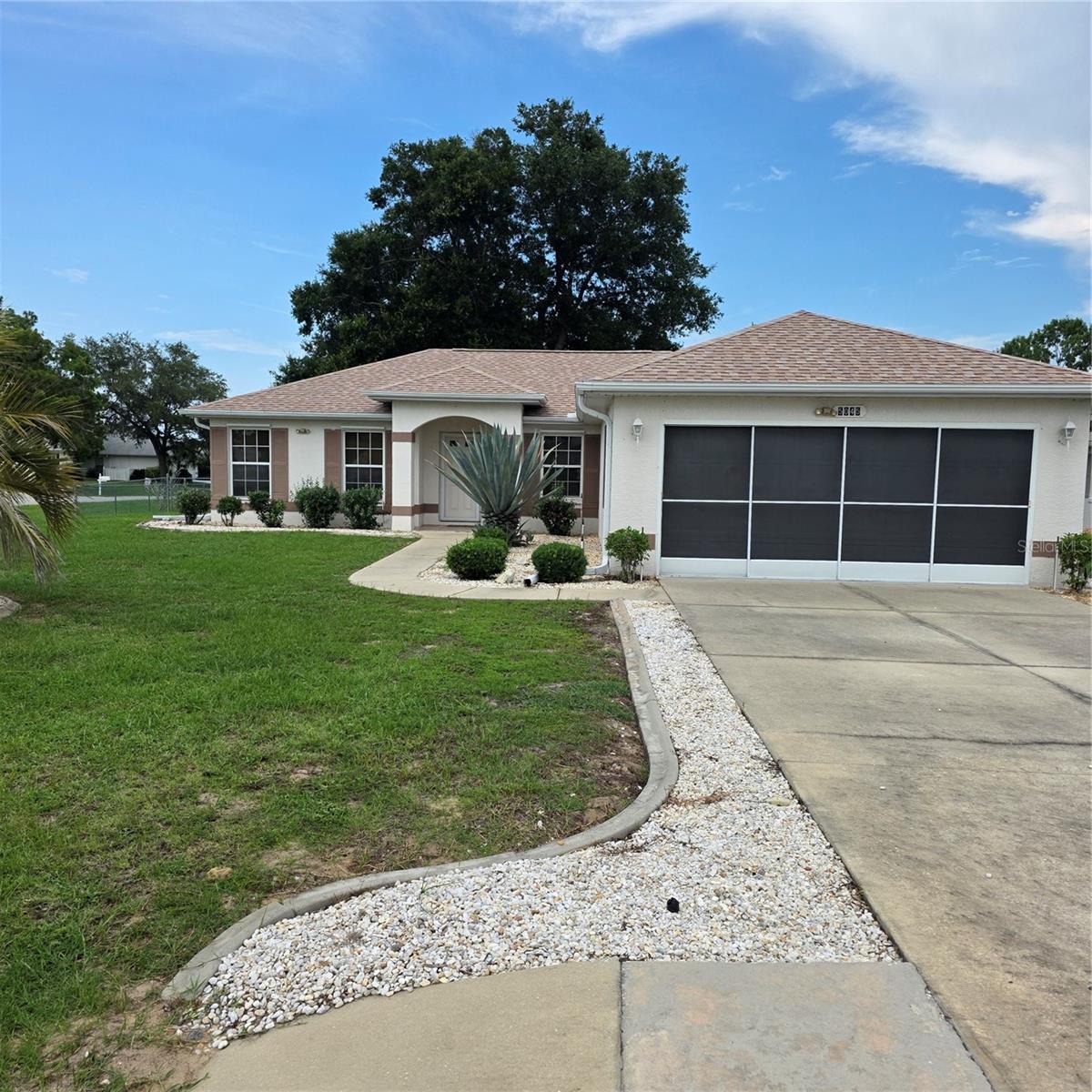
64,903 people live in Ocala, where the median age is 37.9 and the average individual income is $32,629. Data provided by the U.S. Census Bureau.
Total Population
Median Age
Population Density Population Density This is the number of people per square mile in a neighborhood.
Average individual Income
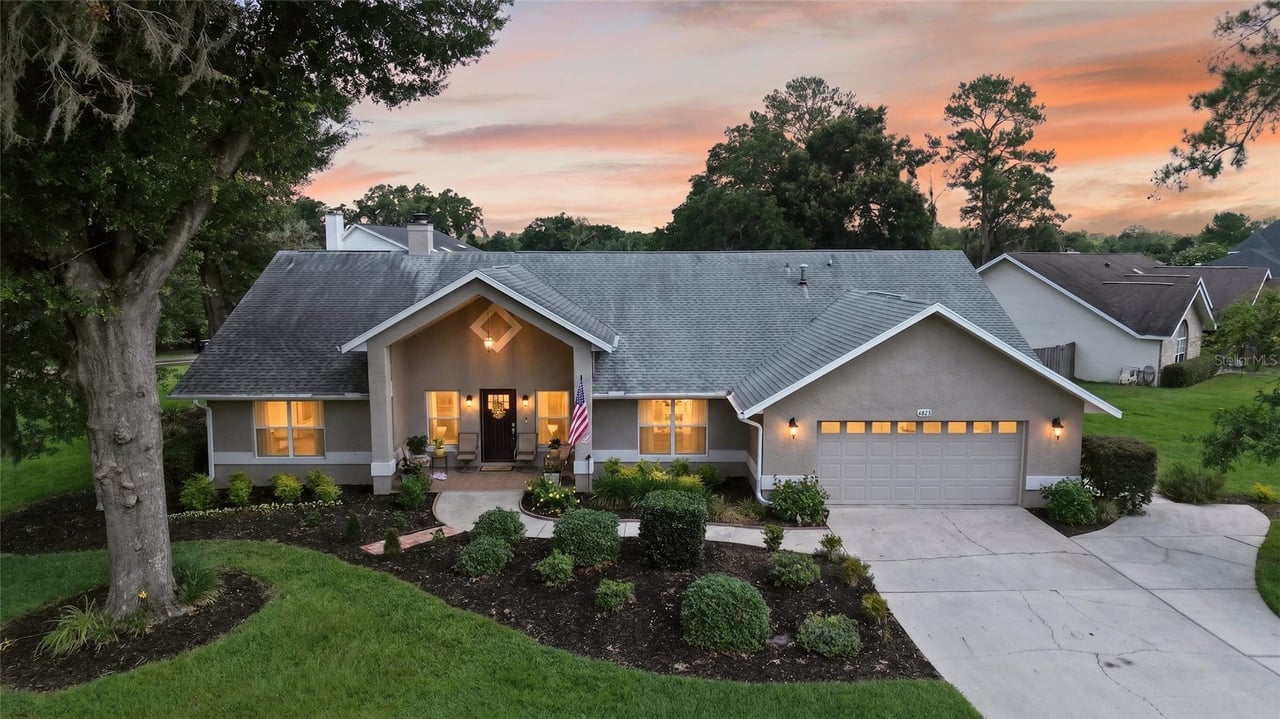
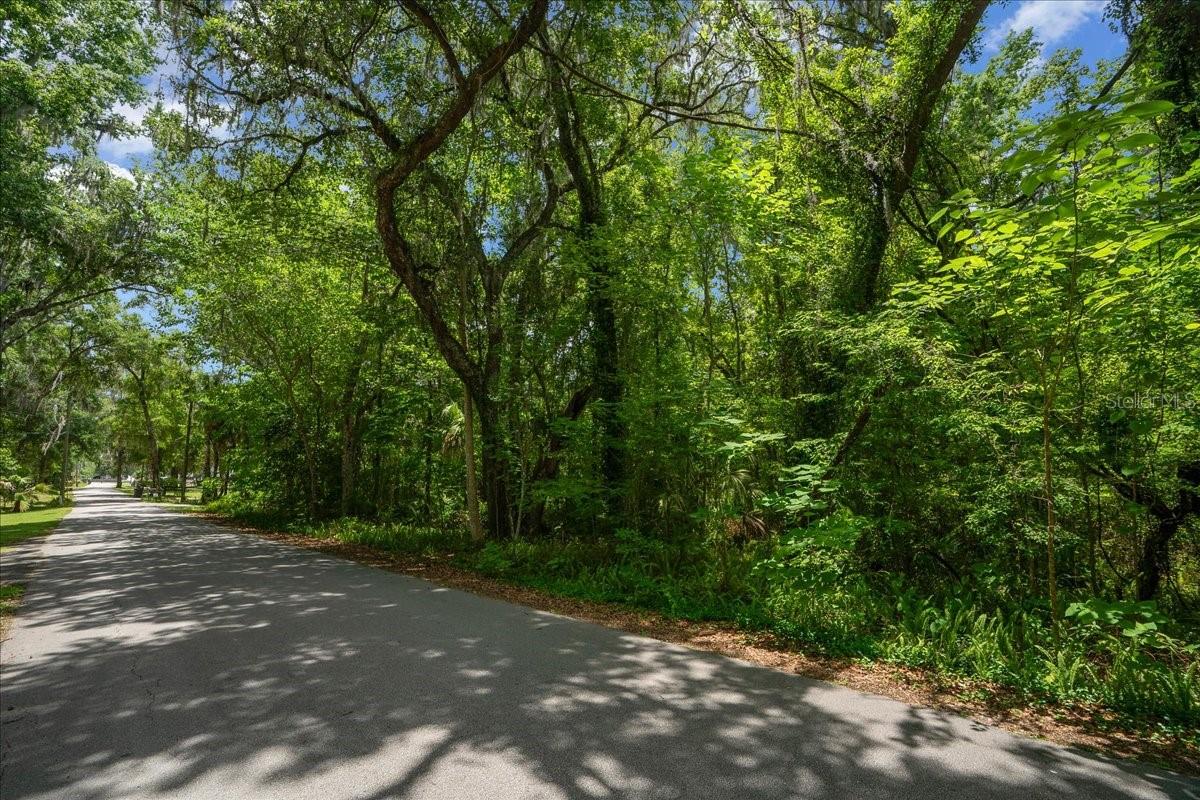
Ocala, FL, nestled in the heart of North Central Florida, is renowned for its scenic beauty, vibrant equestrian culture, and Southern charm. Known as the "Horse Capital of the World," Ocala boasts sprawling horse farms, rolling green pastures, and oak-lined streets. This neighborhood exudes a serene yet lively vibe, offering residents a blend of rural tranquility and urban convenience. With its historic downtown, rich cultural scene, and proximity to natural attractions like the Ocala National Forest, Ocala provides a unique and inviting atmosphere for families, retirees, and young professionals alike.
Ocala, Florida, known today as the "Horse Capital of the World," has a rich and distinct history that shapes its unique identity. The city's roots trace back to the early 1800s, when it was established near the site of Fort King—a strategic military outpost during the Seminole Wars and now a designated National Historic Landmark. Officially incorporated in 1869, Ocala began as a modest settlement centered around agriculture and trade.
The city's architectural character was significantly influenced by the fire of 1883, which led to the adoption of brick and steel construction—earning Ocala the nickname “The Brick City.” Key figures like E.C. Beuchler and Alfred Lightsey were instrumental in developing early horse farms and helping Ocala transition from a trading hub to a world-renowned equestrian center. Historic estates such as the Lowell Correctional Institution Farm (formerly part of the expansive Lowell estate) and the Jumbolair Aviation Estates also reflect Ocala’s eclectic development, blending agrarian legacy with modern luxury.
The legacy of Victorian homes, stately oak-lined roads, and equestrian estates continues to anchor Ocala’s charm while nodding to a past built on resilience, innovation, and community vision.
Ocala’s cultural landscape reflects a blend of Southern hospitality, equestrian pride, and artistic vitality. The city supports a thriving creative community, anchored by institutions like the Appleton Museum of Art, which showcases everything from European masterpieces to contemporary Florida artists. Local creators, such as painter Margaret Watts and sculptor Jack Kowalski, contribute to a vibrant arts scene that spans from galleries in downtown Ocala to public installations across the city.
The cultural calendar is filled year-round with community-driven events like First Friday Art Walks, the Ocala Arts Festival, and Light Up Ocala, which bring residents together in celebration of local talent and seasonal traditions. Nonprofit organizations such as Marion Cultural Alliance and Fine Arts for Ocala play pivotal roles in nurturing creativity and supporting the arts, while groups like Horse Protection Association of Florida underline the city’s deep connection to animal welfare and land conservation.
Ocala's lifestyle is defined by a relaxed pace, deep community roots, and a growing appreciation for wellness, heritage, and creativity—offering a uniquely Floridian blend of rustic sophistication and small-town heart.
Ocala offers a wide range of attractions that blend natural beauty with cultural landmarks, creating a well-rounded lifestyle for residents and visitors alike. At the heart of its outdoor appeal is Silver Springs State Park, one of Florida’s oldest tourist destinations, renowned for its crystal-clear springs and iconic glass-bottom boat tours. The surrounding Ocala National Forest, with over 600 square miles of protected land, provides endless opportunities for hiking, kayaking, camping, and wildlife observation.
For equestrian enthusiasts, the World Equestrian Center – Ocala stands as a crown jewel. This world-class facility hosts international horse shows, luxury events, and family-friendly festivals year-round, cementing Ocala's status in the global horse community. Golfers can enjoy upscale greens at Golden Ocala Golf & Equestrian Club, known for its meticulously recreated holes from Augusta, St. Andrews, and other legendary courses.
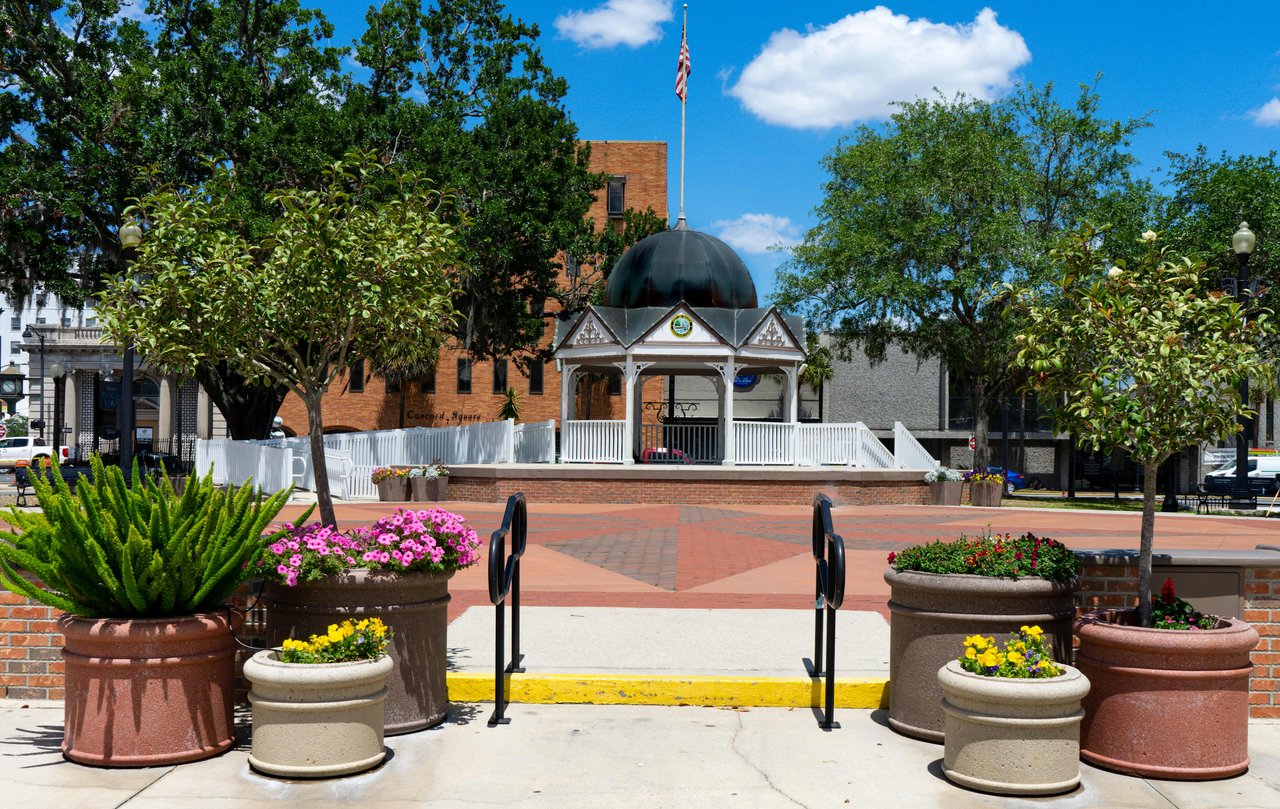
Downtown Ocala offers a more urban lifestyle experience, with historical landmarks such as the Marion Theatre, the Ocala Downtown Square, and weekly farmers markets that celebrate local flavor. While Ocala is inland and lacks direct beach access, day trips to Crystal River or Rainbow Springs—both within an hour’s drive—offer refreshing swimming holes and spring-fed natural beaches.
Ocala’s dining scene is an evolving blend of Southern charm, upscale cuisine, and local craftsmanship. La Cuisine French Restaurant, a downtown staple, brings elevated French fare with an intimate atmosphere, while Ivy on the Square offers a refined Southern dining experience housed in a beautifully restored historic building. For steakhouse enthusiasts, Mark’s Prime Steakhouse delivers both high-end cuisine and a sophisticated setting.
The entertainment landscape is anchored by the Reilly Arts Center, home to the Ocala Symphony Orchestra and a rotating lineup of concerts, film screenings, and performing arts. The adjacent Tuscawilla Art Park often hosts open-air events and sculpture exhibits, connecting the culinary and creative threads of the community.
For a more relaxed evening, locals flock to Bank Street Patio Bar for cocktails and live music or unwind at The Crazy Cucumber, a gastropub with bold flavors and casual ambiance. Resorts such as The Equestrian Hotel within the World Equestrian Center also offer fine dining experiences, lounges, and spa services—perfect for those seeking luxury without leaving city limits.
Ocala's entertainment and dining landscape continues to grow in sophistication while staying rooted in its authentic, equestrian-inspired lifestyle.
Ocala is a haven for outdoor enthusiasts, offering a rich mix of trails, equestrian grounds, and natural springs that define the region’s active lifestyle. The city’s park system includes gems like Tuscawilla Park, a lush, oak-draped area ideal for walking, picnicking, and community events. Adjacent to the downtown art scene, it provides a peaceful retreat just minutes from the city center.
For hikers and nature lovers, the Santos Trailhead and the Cross Florida Greenway provide over 80 miles of multi-use trails—perfect for mountain biking, hiking, and equestrian riding. Santos is nationally recognized for its world-class mountain biking facilities and regularly hosts events that attract enthusiasts from across the Southeast.
Equestrian activity is deeply ingrained in the region’s recreational culture. The Florida Horse Park, just south of Ocala, offers year-round competitions and public riding opportunities. Whether you're trail riding through the Ocala National Forest or enjoying an afternoon at Sholom Park, known for its botanical serenity, Ocala makes it easy to stay connected with nature.
While not coastal, Ocala’s proximity to Rainbow Springs and KP Hole Park allows for tubing, kayaking, and swimming in spring-fed waters—offering a freshwater alternative to beach activities within a short drive.
Ocala is part of Marion County Public Schools, a district that serves over 40,000 students and is committed to academic excellence and community partnership. Standout public schools include Forest High School, known for its strong academic and athletic programs, and West Port High School, which offers the prestigious Marion County Center for the Arts magnet program.
For families seeking private education, options like St. John Lutheran School and Grace Christian School provide faith-based and college-preparatory curricula. Montessori Academy of Ocala serves younger learners with a focus on individualized, hands-on education.
Post-secondary education is anchored by the College of Central Florida, which offers a range of two- and four-year degrees and is recognized for its affordability and career-readiness programs. Its Appleton Museum of Art and cultural affiliations also make it a center for both academics and community enrichment.
With a combination of strong public programs, respected private institutions, and access to higher education, Ocala supports a well-rounded academic environment for families prioritizing quality education.
Ocala’s central location in north-central Florida offers convenient access to major cities while maintaining a quiet, small-town atmosphere. The city is well-connected by Interstate 75, which runs north-south through the region and provides a direct route to Gainesville (35 minutes), Orlando (1.5 hours), and Tampa (1.5 hours). For east-west travel, State Road 40 runs through downtown Ocala and links the city to the Atlantic coast and Silver Springs.
Local commuting within Ocala is manageable and generally uncongested, with average drive times ranging between 20–30 minutes for most residents. The city’s layout and road infrastructure make daily travel efficient whether you're heading downtown, to the World Equestrian Center, or toward suburban developments.
For air travel, Ocala International Airport (OCF) accommodates private and charter flights and is just 15 minutes from downtown. Major commercial travel is supported by Gainesville Regional Airport and Orlando International Airport, offering domestic and international routes within reasonable driving distance.
Public transit is provided by SunTran, which operates fixed bus routes across Ocala, though most residents rely on private vehicles for daily transportation.
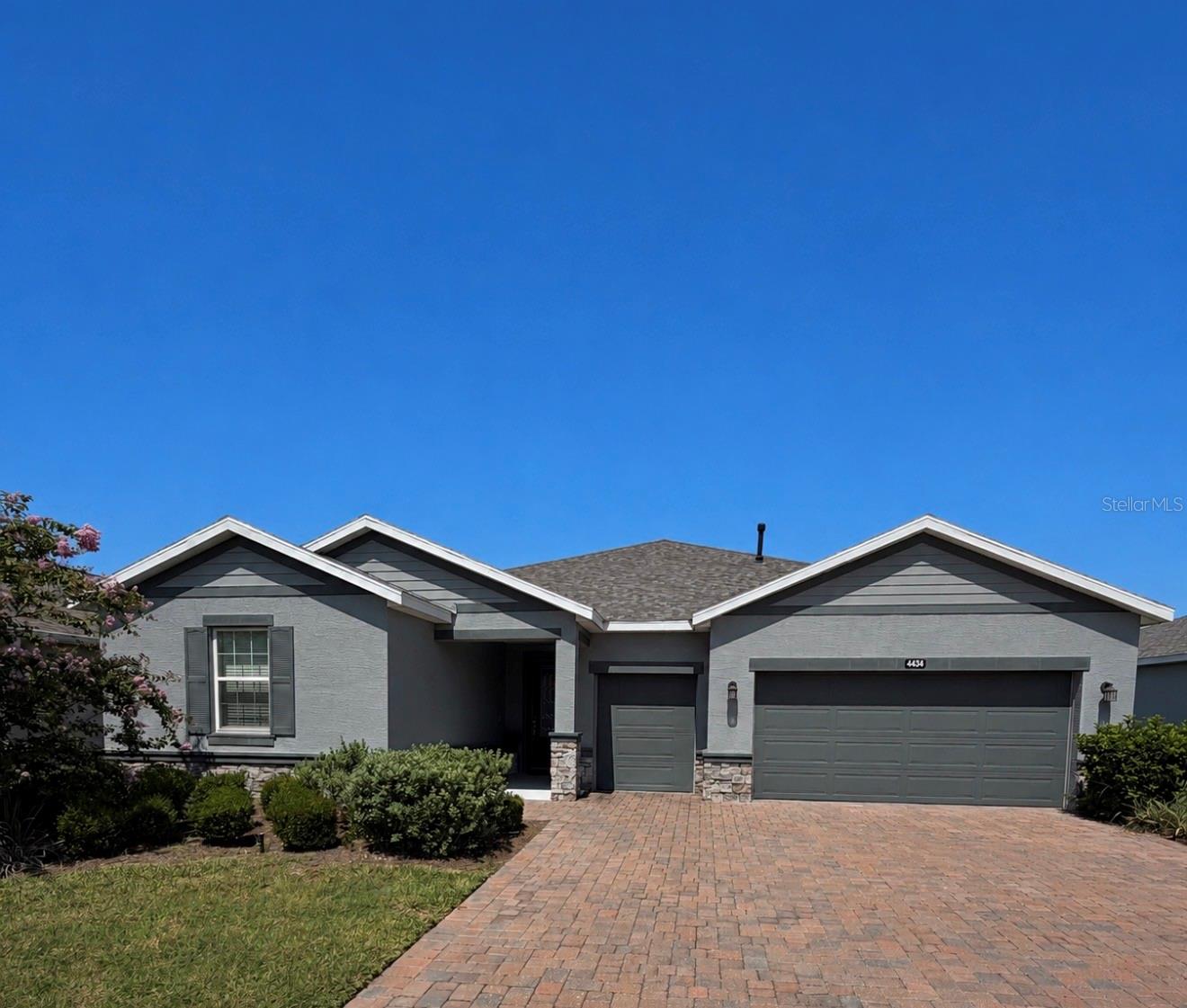
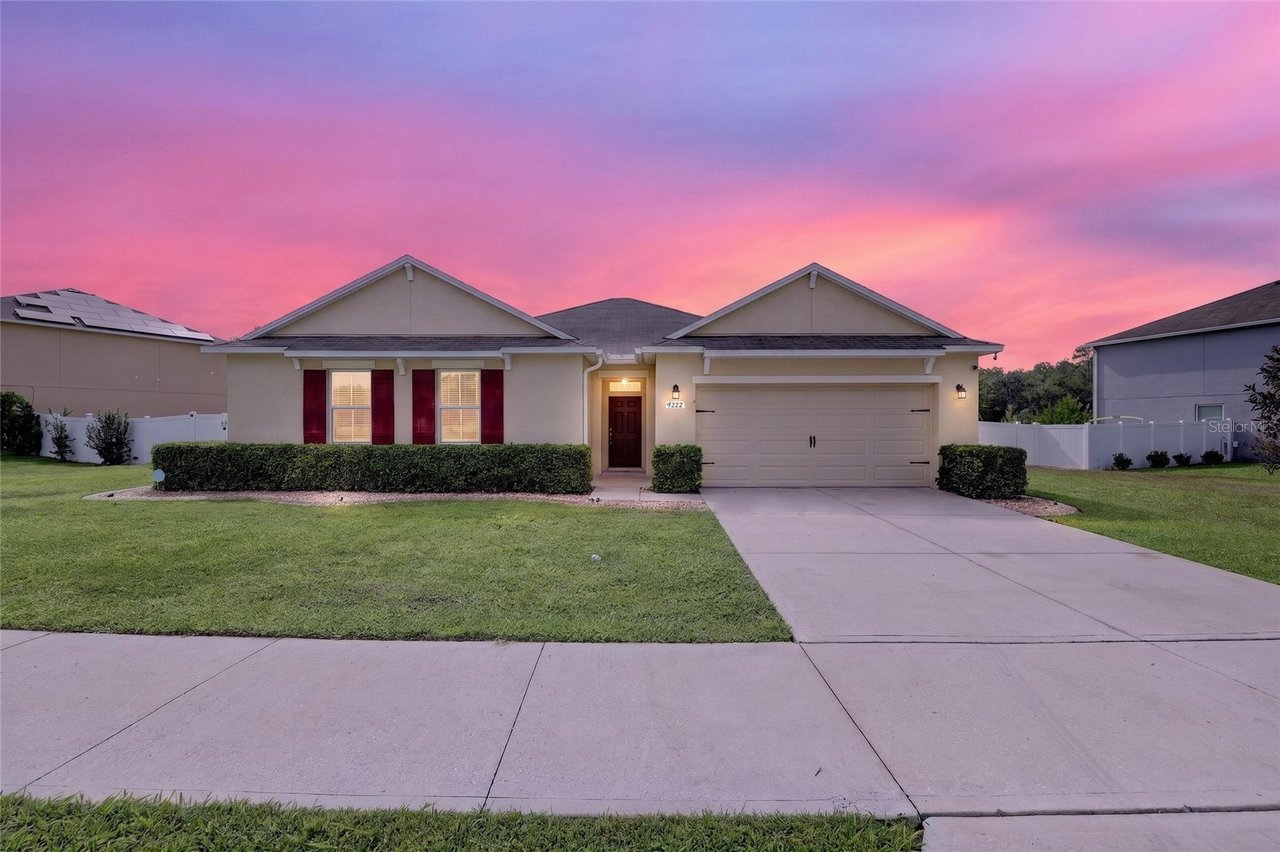
Ocala offers a diverse range of real estate options that cater to equestrian estates, golf communities, suburban neighborhoods, and historic downtown living. Whether you're seeking acreage in gated equestrian enclaves or a low-maintenance villa near the city center, Ocala’s housing market combines value with lifestyle flexibility.
Luxury buyers are often drawn to neighborhoods such as Golden Ocala and Bellechase, which offer estate homes, private golf access, and resort-style amenities. For equestrian enthusiasts, areas near the World Equestrian Center and Southwest Ocala provide sprawling properties with barns, pastures, and training facilities.
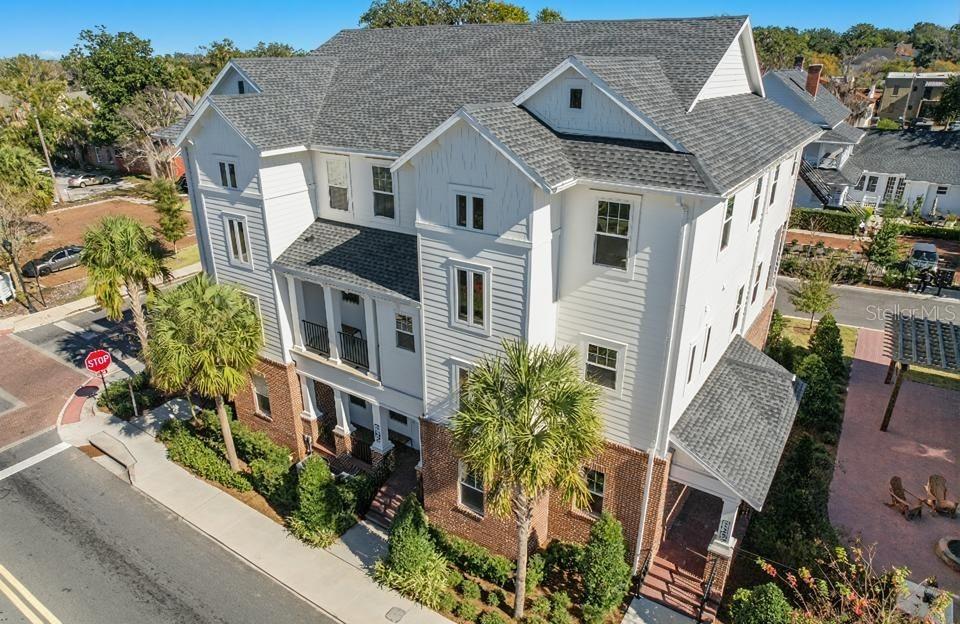
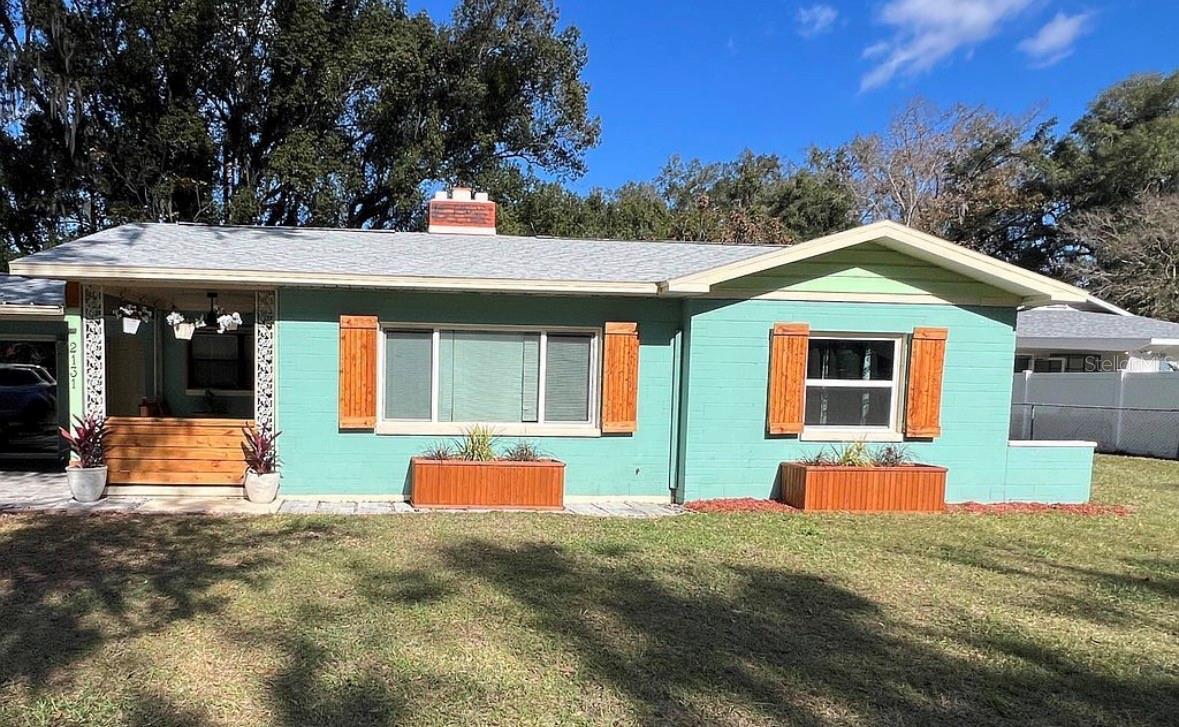
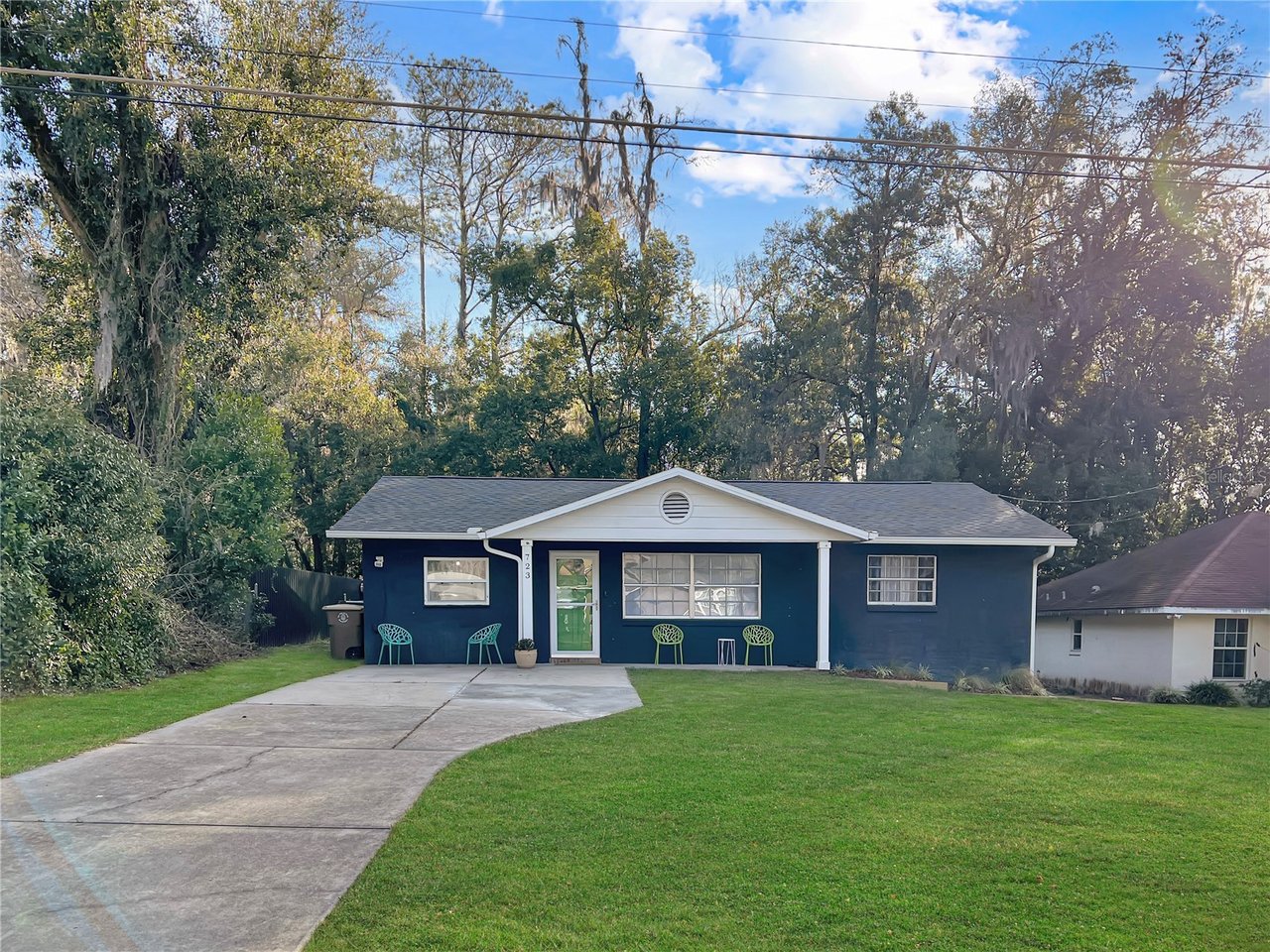
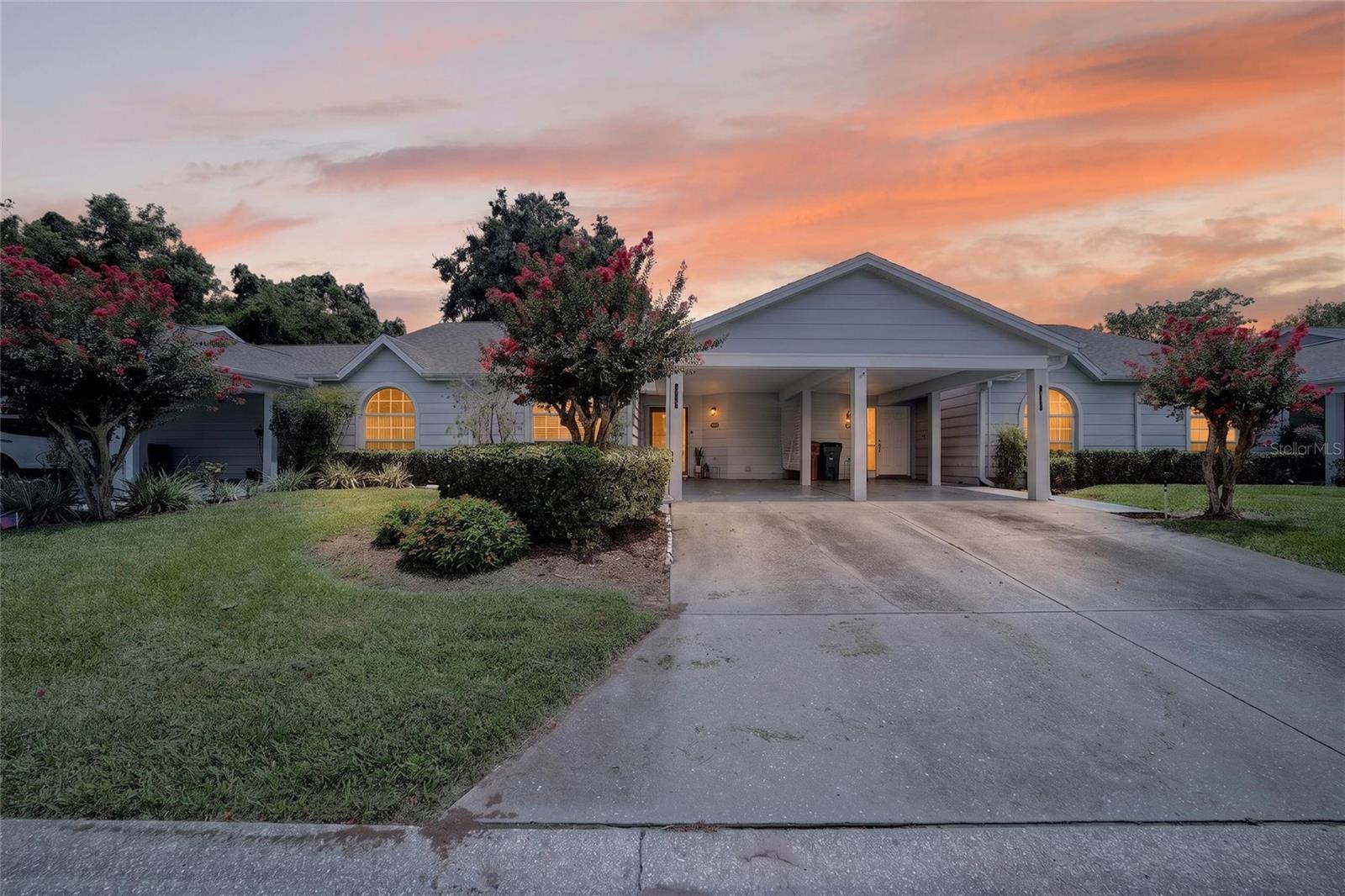
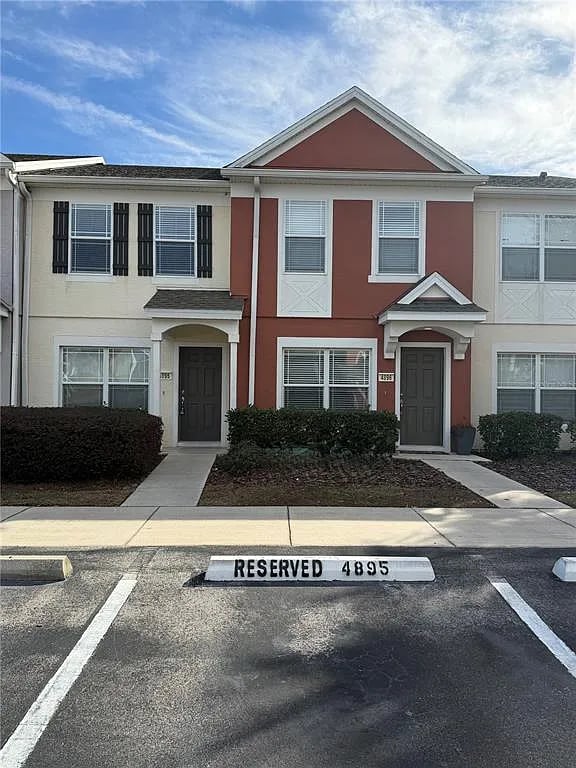
Historic districts near downtown Ocala feature restored bungalows and craftsman-style homes with walkable access to shops, cafes, and cultural landmarks. On the more affordable end, planned communities such as Fore Ranch and On Top of the World—a 55+ active adult community—offer townhomes and single-family residences with community amenities and events.
Whether you're a first-time buyer, relocating professional, or retiree, Ocala’s market offers long-term value and lifestyle alignment.
Ocala’s architecture reflects the city’s evolution from a historic Southern town to a luxury equestrian destination. In the downtown district, Craftsman bungalows, Colonial Revival, and Victorian-style homes define the streetscape, many dating back to the early 1900s and restored to maintain their period charm. Architects such as Frederick A. Bishop, known for contributing to early civic and residential design, helped shape Ocala’s early aesthetic.
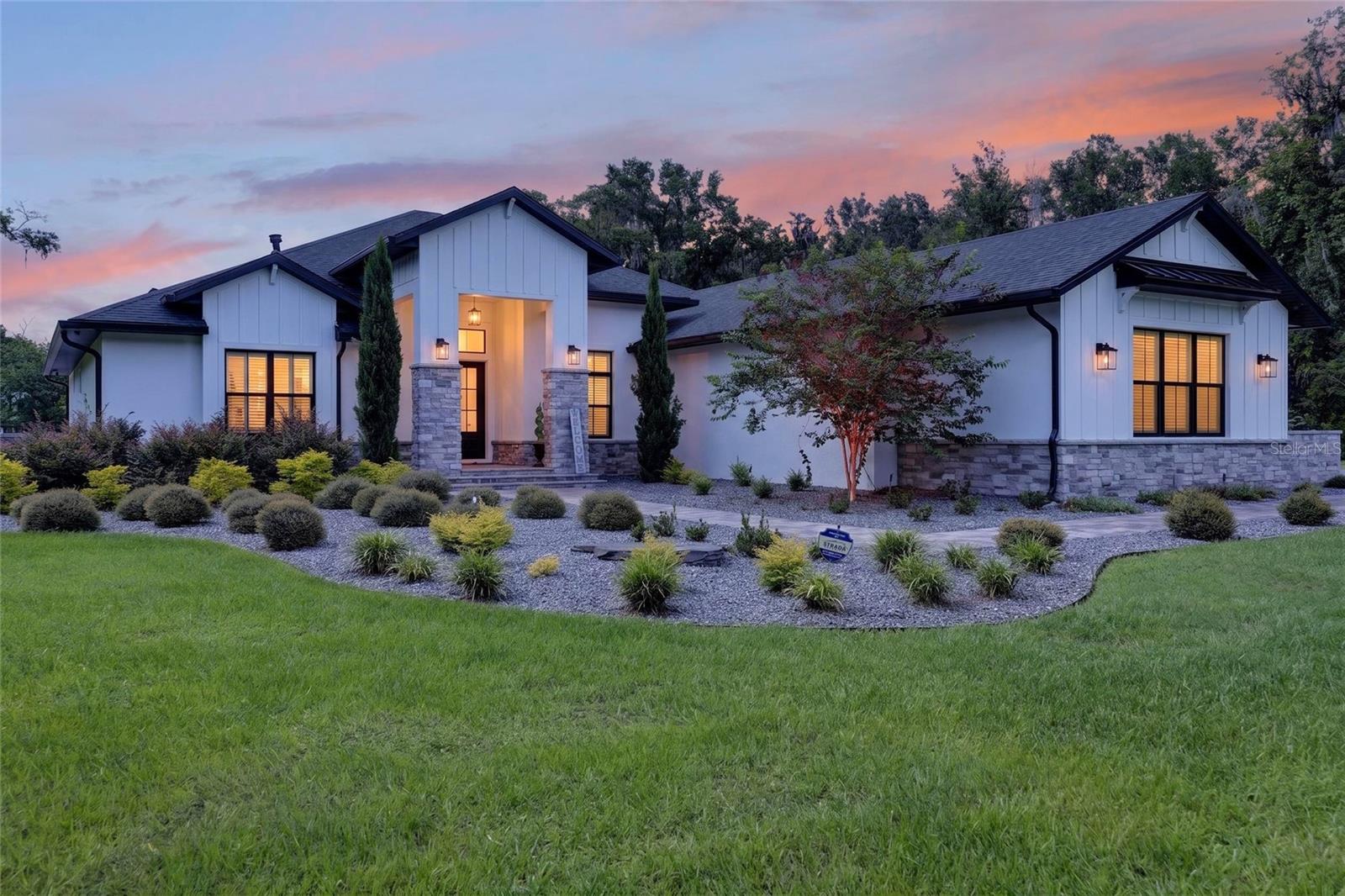
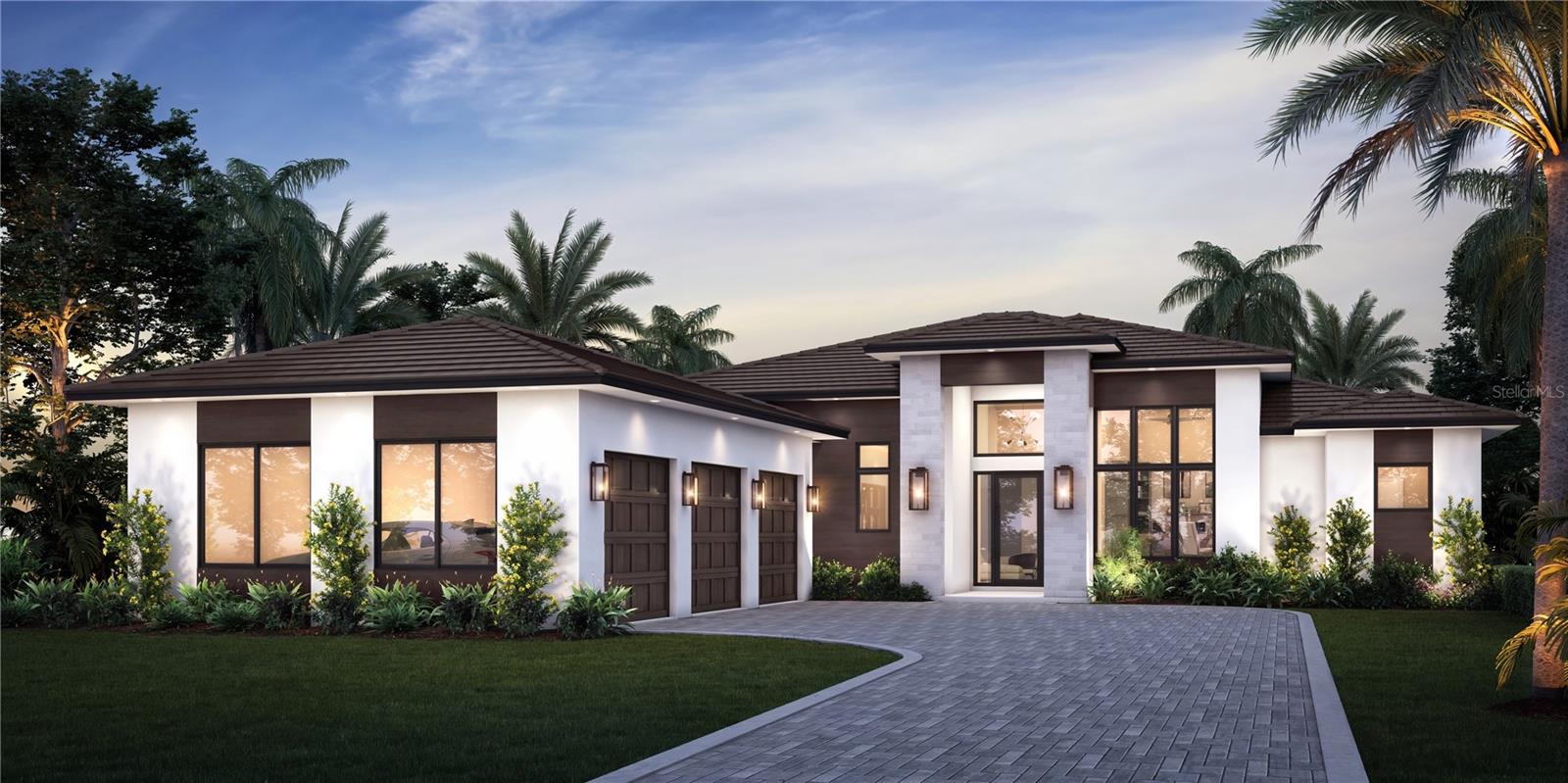
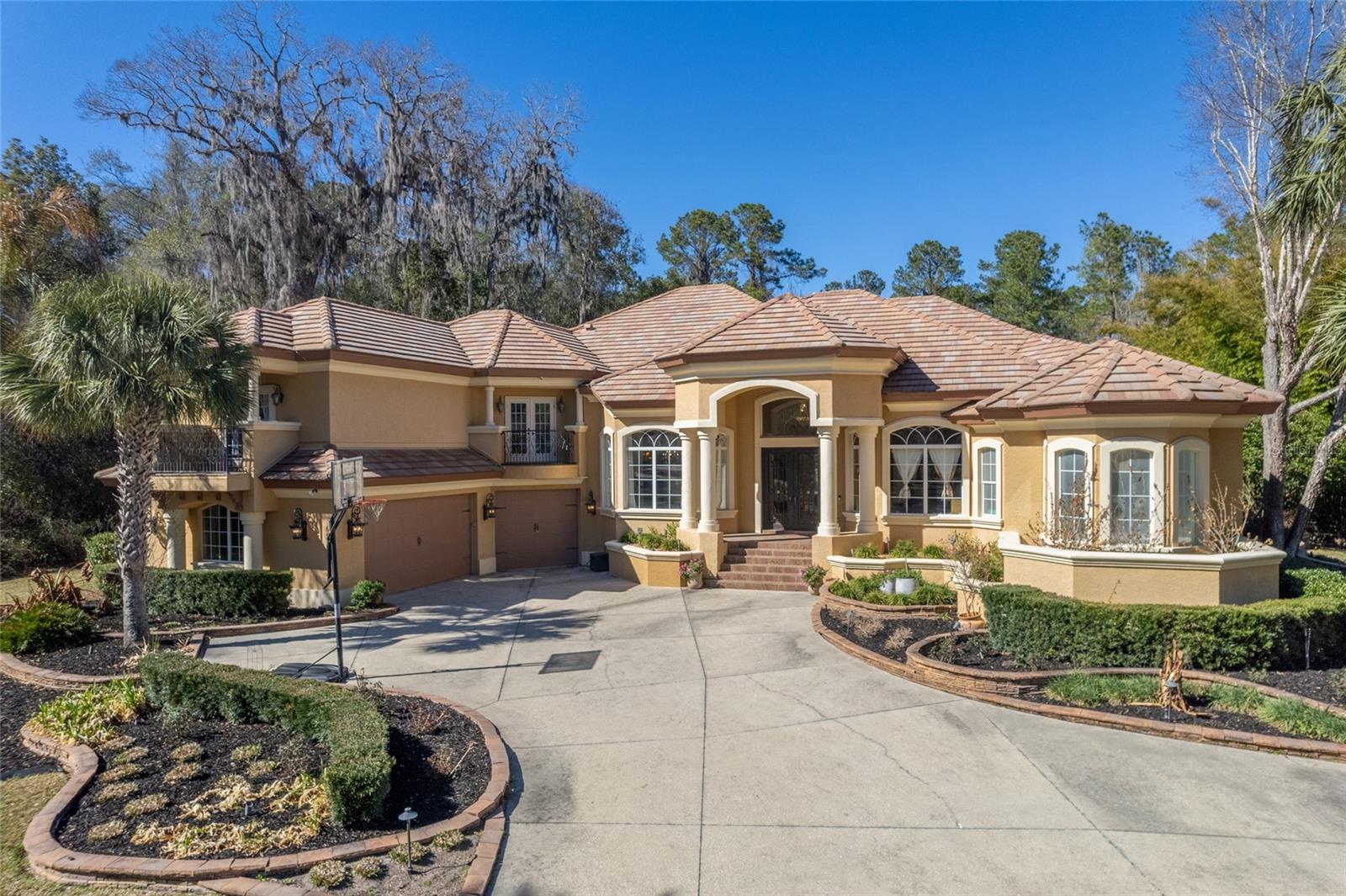
In more affluent areas like Golden Ocala and Bellechase, architectural styles lean toward Mediterranean Revival, Modern Farmhouse, and French Country, often featuring stone façades, vaulted ceilings, and expansive verandas. These homes often integrate natural surroundings with elegant finishes—designed by custom builders who specialize in estate planning and equestrian functionality.
The equestrian estates in Southwest Ocala and near the World Equestrian Center reflect a blend of Ranch-style homes and Southern Traditional architecture, often with gabled roofs, wrap-around porches, and horse-ready infrastructure seamlessly built into the design.
This mix of historical charm, custom estate elegance, and functional rural luxury provides buyers with a wide range of style-driven choices rooted in Ocala’s identity.
Buying in Ocala requires navigating unique market dynamics and environmental considerations that distinguish this region from coastal or urban Florida markets. Prospective buyers should evaluate HOA structures carefully—particularly in communities like On Top of the World and Golden Ocala, where fees range from $150 to $500+ monthly and cover amenities such as golf access, security, and community maintenance. Equestrian properties often carry additional land maintenance costs and barn upkeep that should be factored into long-term budgets.
Flood zones are less prevalent in Ocala compared to coastal Florida, but properties near the Oklawaha River, Tuscawilla Lake, and low-lying areas should still be assessed for FEMA flood zone designations. Buyers should review flood maps and consider whether flood insurance is required or advisable, especially in older developments where drainage infrastructure may be outdated.
Wildfire risk is a legitimate concern in Ocala due to its proximity to the Ocala National Forest and sprawling rural parcels with dense vegetation. Marion County falls within a moderate wildfire hazard zone, and homes adjacent to wooded areas or forest edges should be evaluated for defensible space, vegetation management, and insurance implications. Properties with significant acreage may require brush clearing or fire mitigation plans.
Property age varies significantly across Ocala. Historic downtown homes may date to the early 1900s and require updates to electrical, plumbing, and HVAC systems. Suburban developments from the 1980s and 1990s often need roof replacements, updated kitchens, and energy-efficient windows. Newer construction in communities like Stone Creek and Weybourne Landing offers modern systems but may still carry builder warranty limitations or incomplete landscaping.
Parking and lot configuration matter, especially for buyers with multiple vehicles, RVs, or equestrian trailers. Many gated communities restrict street parking and require garage storage. Equestrian properties should be evaluated for trailer access, turnaround space, and road width to accommodate horse transport.
Zoning regulations impact property use, particularly for buyers interested in running home-based businesses, operating kennels, or keeping livestock. Marion County zoning designations range from agricultural (A-1) to residential estate (RE), and restrictions on accessory structures, home occupations, and animal limits vary by district. Verify zoning compatibility before closing.
School boundaries can shift, particularly in growing areas of Southwest Ocala and near the World Equestrian Center. Buyers prioritizing specific schools like Forest High or West Port High should confirm current attendance zones with Marion County Public Schools, as redistricting occasionally occurs to balance enrollment.
Noise considerations include proximity to Interstate 75, which generates highway hum in eastern Ocala neighborhoods, and the Ocala International Airport, affecting areas near SW 60th Avenue. Equestrian properties near the World Equestrian Center may experience event-related traffic and activity during peak competition seasons.
Market speed in Ocala as of 2024/2025 reflects a balanced environment with average days on market ranging from 30 to 60 days for well-priced homes. Luxury equestrian estates and waterfront properties may take longer to sell due to niche buyer pools, while move-in-ready suburban homes in desirable school zones often receive multiple offers within the first two weeks.
Selling in Ocala requires understanding seasonal patterns, buyer demographics, and strategic positioning unique to this equestrian and retiree-driven market. Seasonality plays a moderate role, with peak activity occurring from January through April when Northern buyers and retirees visit Florida to escape winter. Equestrian properties see heightened interest during major events at the World Equestrian Center, particularly in winter and spring months. Summer months slow slightly but remain active due to year-round migration and remote work flexibility.
Pricing strategy should reflect Ocala's diverse buyer pool and competitive inventory. Overpricing by more than 5-10% above comparable sales results in extended market time and eventual price reductions that signal desperation. Sellers benefit from pricing at or slightly below market value to generate early showings and potential bidding scenarios. Luxury equestrian estates require appraisals from specialists familiar with barn infrastructure, pasture value, and training facilities—standard residential comps often undervalue these properties.
Staging trends in Ocala emphasize natural light, neutral palettes, and Southern elegance. Homes should showcase outdoor spaces—porches, patios, and pool areas—since lifestyle and climate drive buyer decisions. Equestrian properties benefit from clean, organized barns with fresh bedding, manicured pastures, and visible fencing in good repair. Downtown historic homes should highlight original architectural details like hardwood floors, crown molding, and vintage tilework while demonstrating modern system updates.
Buyer demographics skew toward retirees (55+), equestrian professionals, families relocating from higher-cost states, and remote workers seeking affordable acreage. Marketing should emphasize low property taxes, proximity to horse facilities, A-rated schools, and outdoor recreation depending on the target audience. Properties in 55+ communities appeal to active adults prioritizing amenities and low maintenance, while sprawling estates attract affluent buyers seeking privacy and land.
Upgrades that increase value include kitchen and bathroom modernization, energy-efficient HVAC and windows, fresh exterior paint, and landscaping that enhances curb appeal. For equestrian properties, investments in barn renovations, arena footing, paddock fencing, and RV/trailer parking yield strong returns. Homes in golf communities benefit from outdoor entertainment spaces, updated master suites, and smart home technology that appeals to luxury buyers.
Sellers should address deferred maintenance before listing—roof repairs, HVAC servicing, and pest inspections prevent buyer objections and appraisal issues. Pre-listing inspections identify problems early, allowing sellers to make strategic repairs or adjust pricing accordingly. Professional photography showcasing Ocala's natural beauty and lifestyle elements significantly impacts online engagement and showing requests.
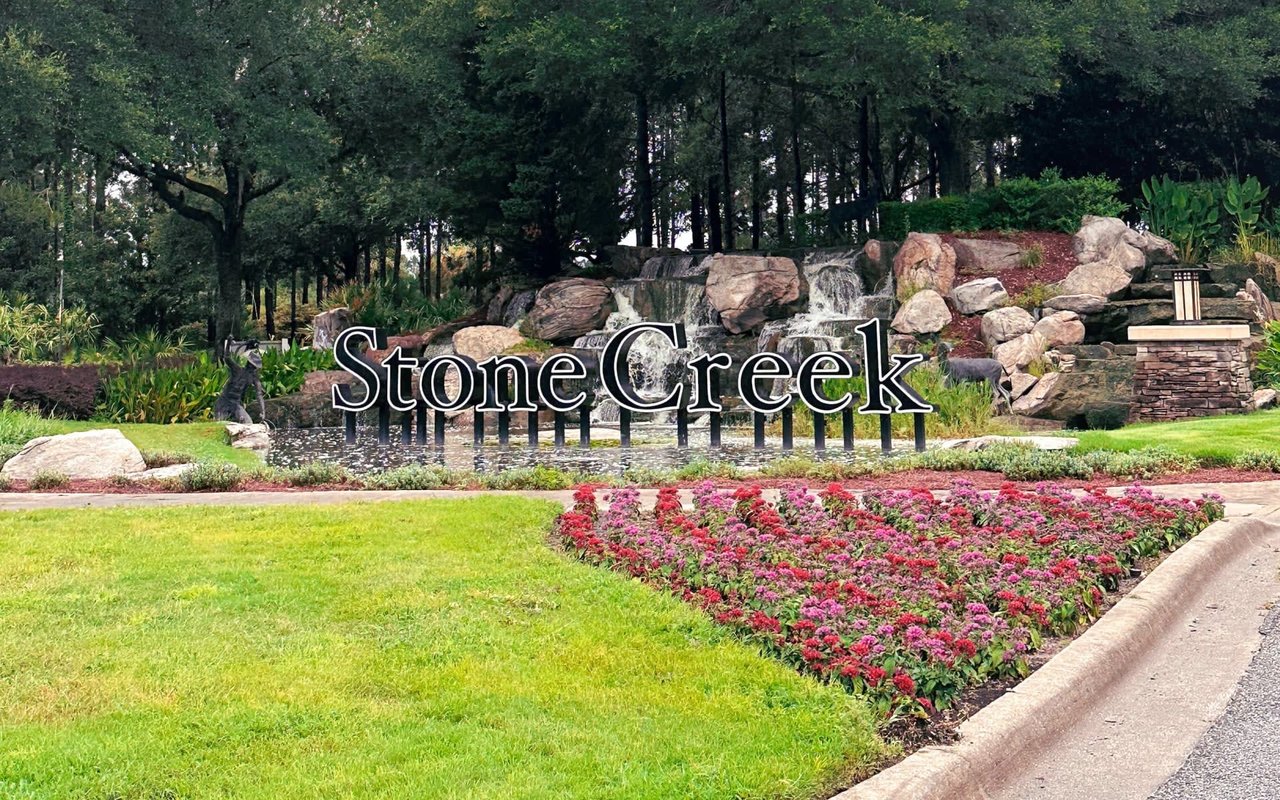
Stone Creek is a master-planned community in Southeast Ocala offering resort-style amenities and family-friendly suburban living. Developed primarily in the 2000s and 2010s, the neighborhood features single-family homes ranging from 1,500 to 3,500 square feet on quarter-acre to half-acre lots. Architectural styles lean toward Florida Mediterranean, Craftsman, and Modern Transitional with stucco and brick exteriors, tile roofs, and open-concept floor plans.
The community amenities include a clubhouse, resort-style pool, fitness center, tennis courts, and playgrounds—all maintained through HOA fees averaging $150-$200 monthly. Stone Creek attracts families drawn to Marion County's public schools, including Romeo Elementary and Horizon Academy, both within the neighborhood's boundaries. The community's location provides convenient access to State Road 200, offering a 20-minute commute to downtown Ocala and proximity to shopping at Paddock Mall and medical facilities.
Stone Creek appeals to first-time homebuyers and young families seeking turnkey suburban living with amenities and reasonable home prices typically ranging from $250,000 to $450,000 as of 2024/2025. The neighborhood's maintenance standards and active community events foster a family-oriented atmosphere.
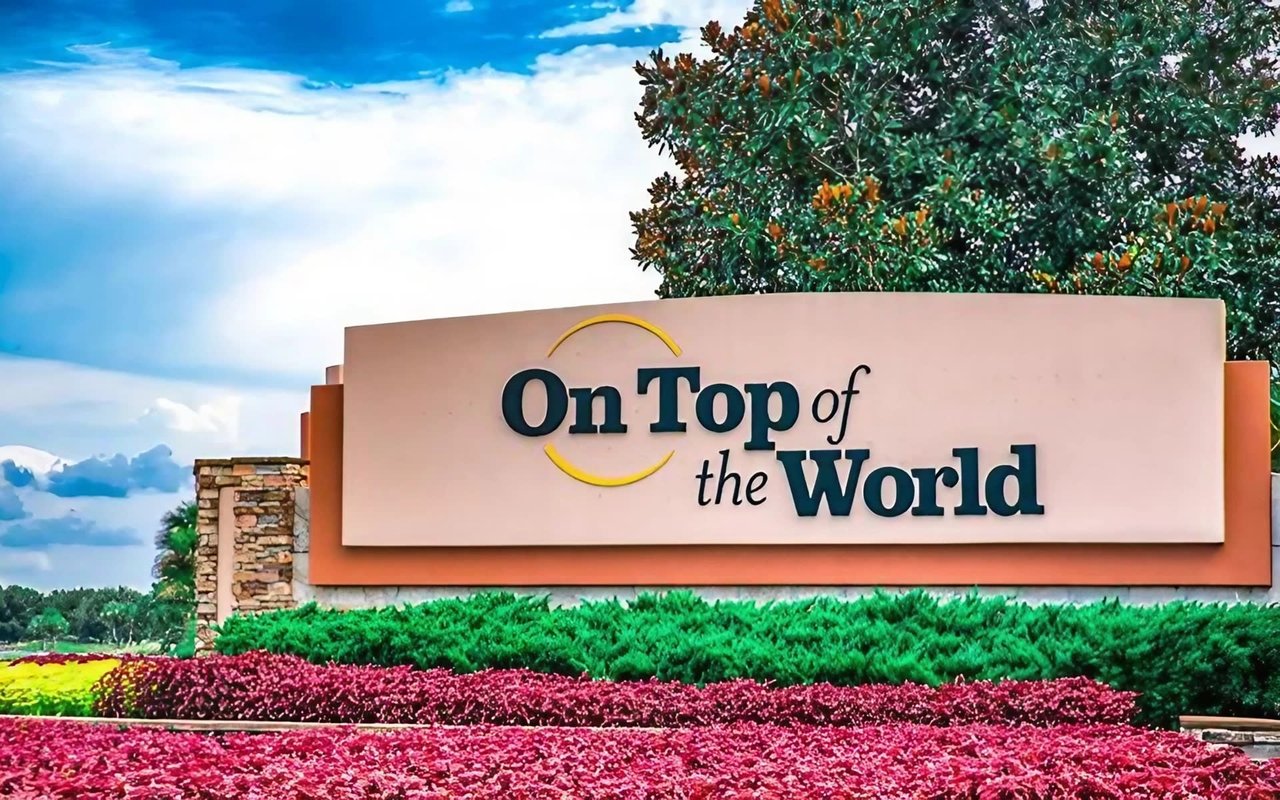
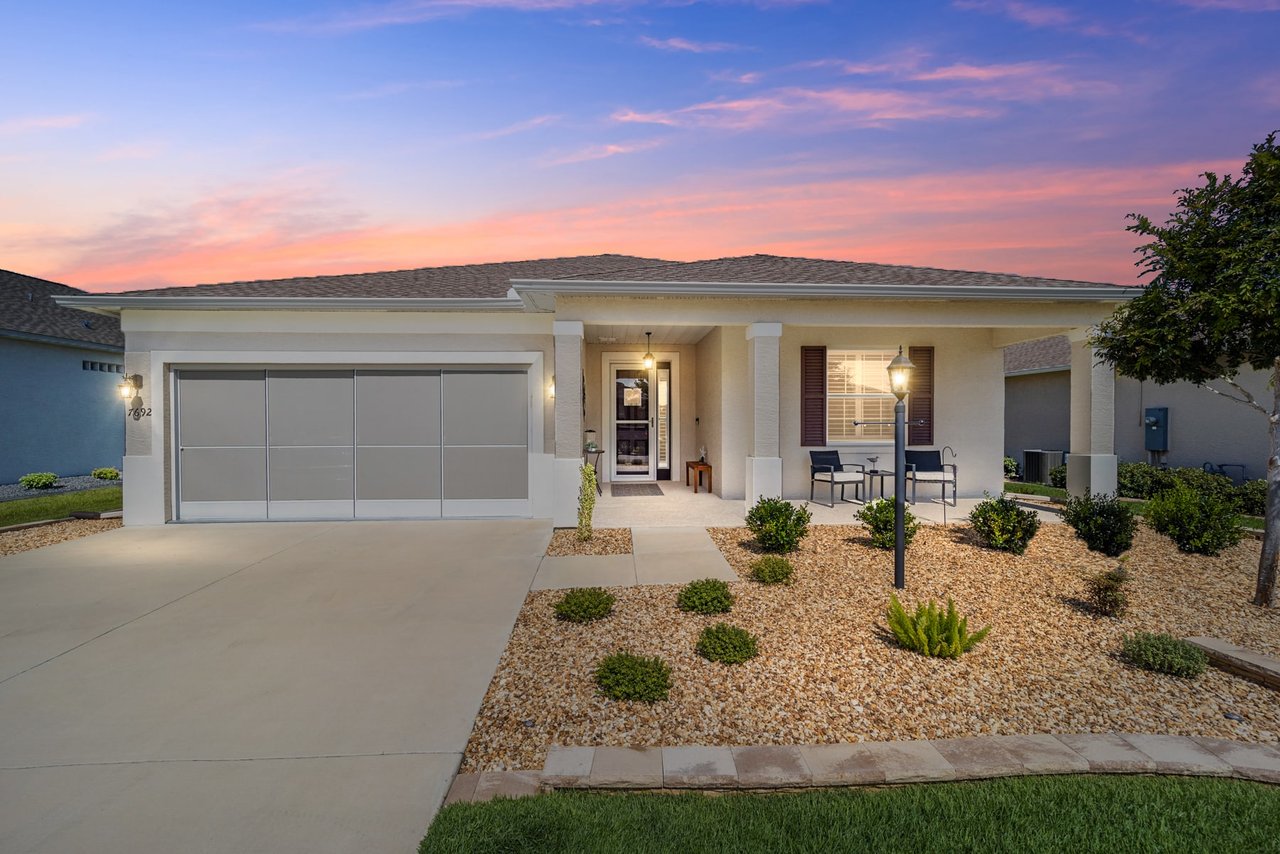
On Top of the World is Ocala's premier 55+ active adult community, spanning over 6,000 acres and home to approximately 10,000 residents. Established in the 1980s and continuously expanding, the community offers an extensive range of housing options including villas, carriage homes, and single-family residences ranging from 1,200 to 3,000 square feet. Architectural styles emphasize low-maintenance Florida ranch and villa designs with attached garages, screened lanais, and drought-tolerant landscaping.
The community's amenities are unparalleled in the region, featuring multiple golf courses, recreation centers, indoor and outdoor pools, pickleball and tennis courts, fitness facilities, crafts studios, and over 200 clubs and social organizations. HOA fees range from $180 to $300 monthly depending on housing type and cover lawn maintenance, exterior upkeep, and access to amenities—making this an attractive option for retirees seeking turnkey, lock-and-leave convenience.
On Top of the World attracts retirees from the Northeast and Midwest seeking affordable Florida living without beach resort pricing. The community's self-contained infrastructure includes restaurants, medical services, banks, and postal facilities, reducing the need for frequent off-site trips. Home prices range from $150,000 for older villas to $500,000+ for newer executive homes with golf course views as of 2024/2025.
The community emphasizes social engagement, wellness programming, and active lifestyles—ideal for retirees prioritizing recreation, independence, and community connection over proximity to family or urban amenities.
Weybourne Landing is a newer master-planned community in Northwest Ocala developed in the 2010s and early 2020s, offering modern suburban living with resort-style amenities. The neighborhood features single-family homes ranging from 1,800 to 3,500 square feet on lots typically between one-quarter and half-acre. Architectural styles include Coastal Contemporary, Modern Farmhouse, and Florida Transitional with clean lines, neutral color palettes, and energy-efficient construction.
Community amenities include a clubhouse, resort-style pool with splash pad, fitness center, playground, and walking trails—maintained through HOA fees averaging $200-$250 monthly. Weybourne Landing appeals to young families and professionals relocating to Ocala for quality schools, space, and affordability compared to metro Florida markets.
The neighborhood is zoned for Marion County schools including Stanton-Weirsdale Elementary and Lake Weir High School, both recognized for strong academic performance. Weybourne Landing's location near State Road 200 and County Road 484 provides easy access to shopping, dining, and Interstate 75 for commuters traveling to Gainesville or Orlando.
Home prices in Weybourne Landing range from $300,000 to $500,000 as of 2024/2025, reflecting newer construction, modern floor plans, and move-in-ready condition. The community attracts buyers seeking turnkey suburban living with contemporary design and amenities without the premium pricing of older gated golf communities.
Liberty Village is an established neighborhood in East Ocala offering affordable suburban living with access to schools, shopping, and medical facilities. Developed primarily in the 1990s and early 2000s, the community features single-family homes ranging from 1,200 to 2,500 square feet on quarter-acre lots. Architectural styles include Traditional Ranch, Split-Level, and Florida Mediterranean with brick and stucco exteriors, tile or shingle roofs, and functional layouts.
Liberty Village has minimal HOA requirements, with fees typically under $100 annually for basic common area maintenance—appealing to buyers seeking low carrying costs and fewer restrictions. The neighborhood attracts first-time homebuyers, families, and working professionals prioritizing value and location over resort-style amenities.
The area is zoned for schools including Liberty Middle School and Vanguard High School, both offering solid academic programs and extracurricular options. Liberty Village's proximity to Munroe Regional Medical Center, the Paddock Mall, and State Road 40 provides convenient access to employment, healthcare, and daily services.
Home prices in Liberty Village range from $150,000 to $300,000 as of 2024/2025, making it one of Ocala's most affordable entry-level markets. Buyers should evaluate property age, deferred maintenance, and potential updates to HVAC, roofing, and interior finishes when considering homes in this neighborhood.
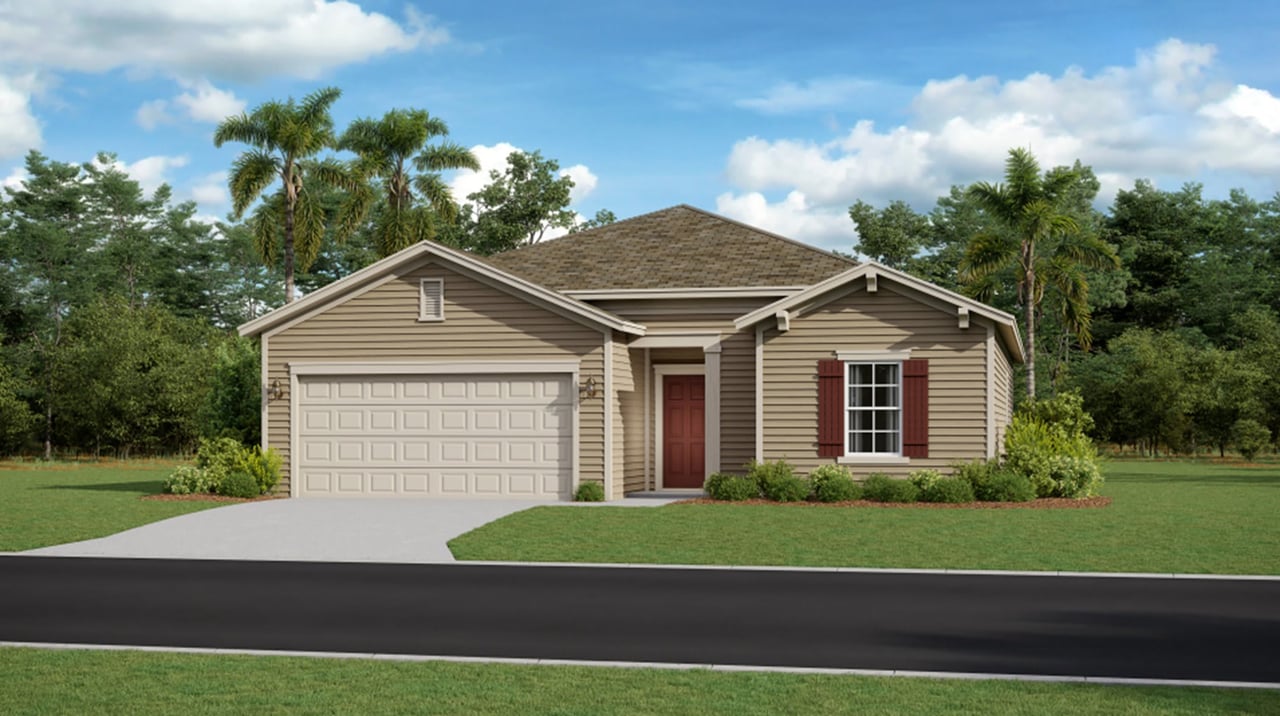
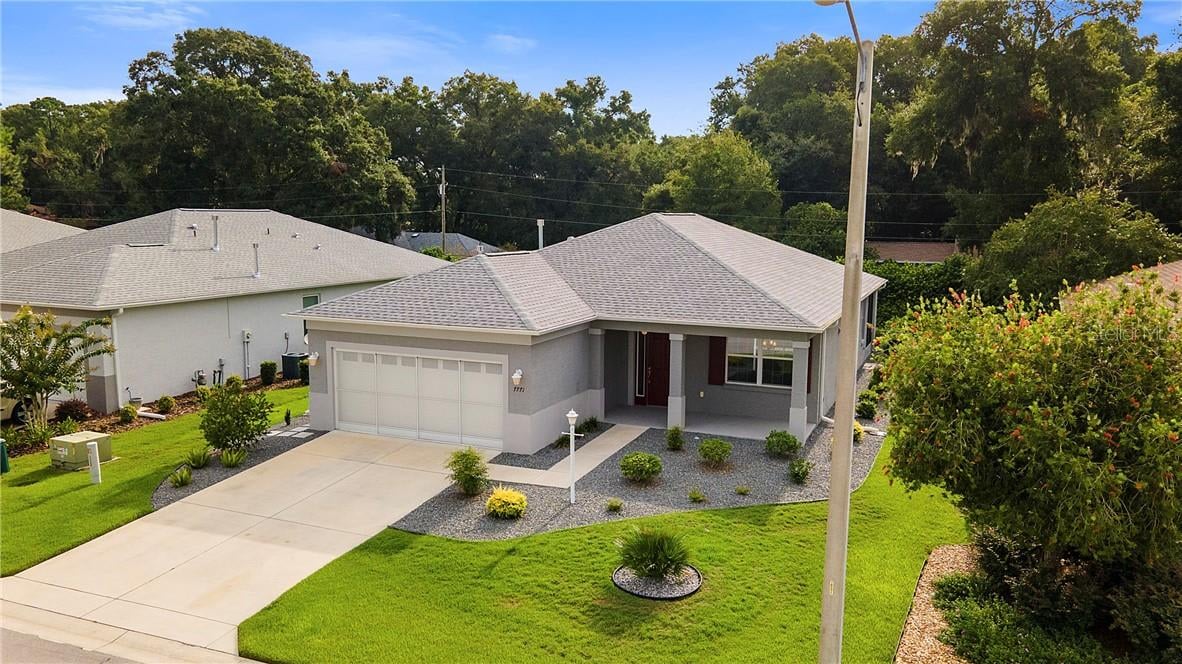
Calesa Township is a well-established gated community in Southwest Ocala offering affordable homes with amenities and a family-friendly atmosphere. Developed in the 1990s and early 2000s, the neighborhood features single-family homes ranging from 1,400 to 2,800 square feet on quarter-acre to half-acre lots. Architectural styles include Traditional Florida Ranch, Mediterranean Revival, and Craftsman with stucco exteriors, tile roofs, and covered porches.
Community amenities include a clubhouse, pool, tennis courts, playground, and walking trails—maintained through HOA fees averaging $100-$150 monthly. Calesa Township appeals to families seeking gated security, community amenities, and value pricing compared to newer developments.
The neighborhood is zoned for Marion County schools including Hammett Bowen Jr. Elementary and West Port High School, both offering strong academic programs and arts magnet opportunities. Calesa's location near State Road 200 provides easy access to the World Equestrian Center, shopping districts, and Interstate 75 for regional commuting.
Home prices in Calesa Township range from $200,000 to $350,000 as of 2024/2025, reflecting established landscaping, mature oak trees, and turnkey condition. Buyers appreciate the combination of gated living, amenities, and affordability, though some homes may require updates to kitchens, bathrooms, and flooring to reflect modern design preferences.
Indigo East is a newer master-planned community in Southeast Ocala developed in the 2010s and 2020s, offering modern homes with resort-style amenities and family-friendly design. The neighborhood features single-family homes ranging from 1,800 to 3,200 square feet on quarter-acre lots. Architectural styles emphasize Coastal Contemporary, Florida Transitional, and Modern Farmhouse with clean exteriors, open floor plans, and energy-efficient features.
Community amenities include a clubhouse, resort-style pool, splash pad, fitness center, playground, and dog park—maintained through HOA fees averaging $200-$250 monthly. Indigo East attracts young families and professionals seeking new construction, modern layouts, and low-maintenance living with turnkey amenities.
The neighborhood is zoned for Marion County schools including Romeo Elementary, Horizon Academy, and Forest High School—all recognized for strong academic performance and extracurricular programming. Indigo East's location near State Road 200 and County Road 484 provides convenient access to shopping, dining, and healthcare facilities.
Home prices in Indigo East range from $275,000 to $475,000 as of 2024/2025, reflecting newer construction, modern finishes, and builder warranty coverage. The community appeals to buyers prioritizing contemporary design, amenities, and proximity to Ocala's growing southeast corridor without the premium pricing of gated golf communities or custom equestrian estates.
Ocala attracts a diverse range of residents drawn to its lifestyle, space, and balance between tradition and modern comfort. It’s ideal for equestrian professionals and enthusiasts, thanks to the world-class facilities and infrastructure centered around the World Equestrian Center. Retirees and active adults favor Ocala for its lower cost of living, healthcare access, and abundant 55+ communities like On Top of the World.
Families appreciate the strong public and private school options, suburban safety, and parks that support a wholesome outdoor lifestyle. Remote professionals and creatives are increasingly choosing Ocala for its slower pace, natural beauty, and rising cultural amenities, without sacrificing connectivity to major metro areas.
Whether you're seeking acreage, heritage, or community, Ocala offers a lifestyle that’s grounded, intentional, and full of space to grow.
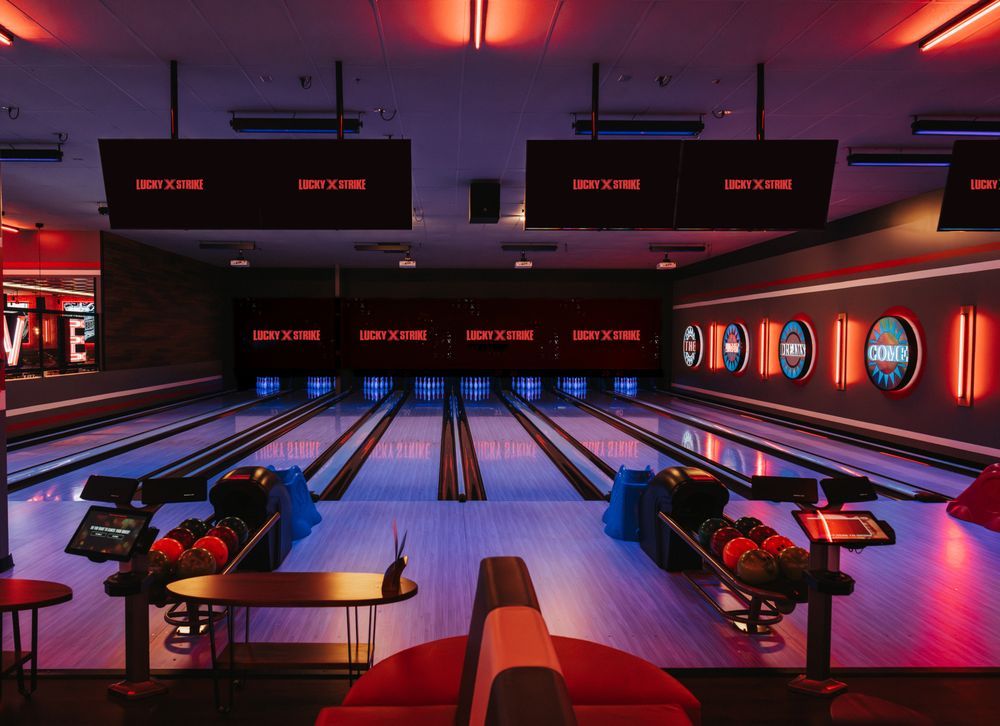
There's plenty to do around Ocala, including shopping, dining, nightlife, parks, and more. Data provided by Walk Score and Yelp.
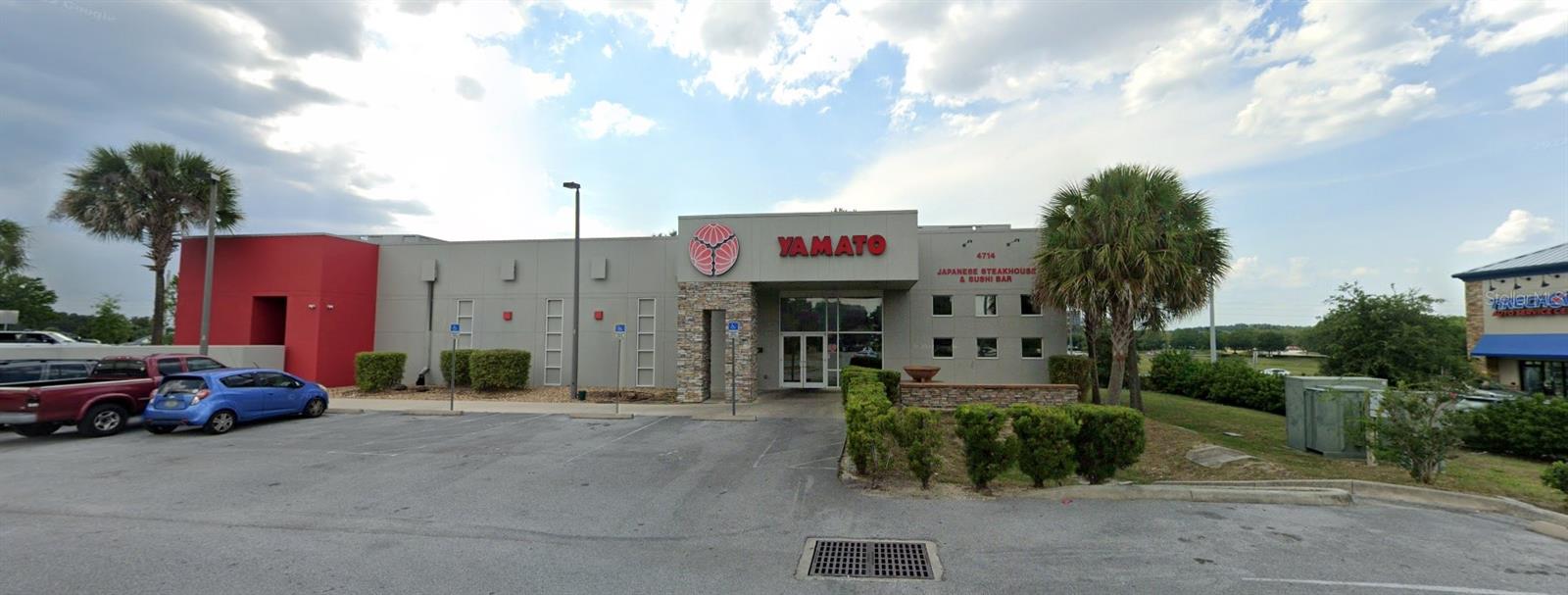
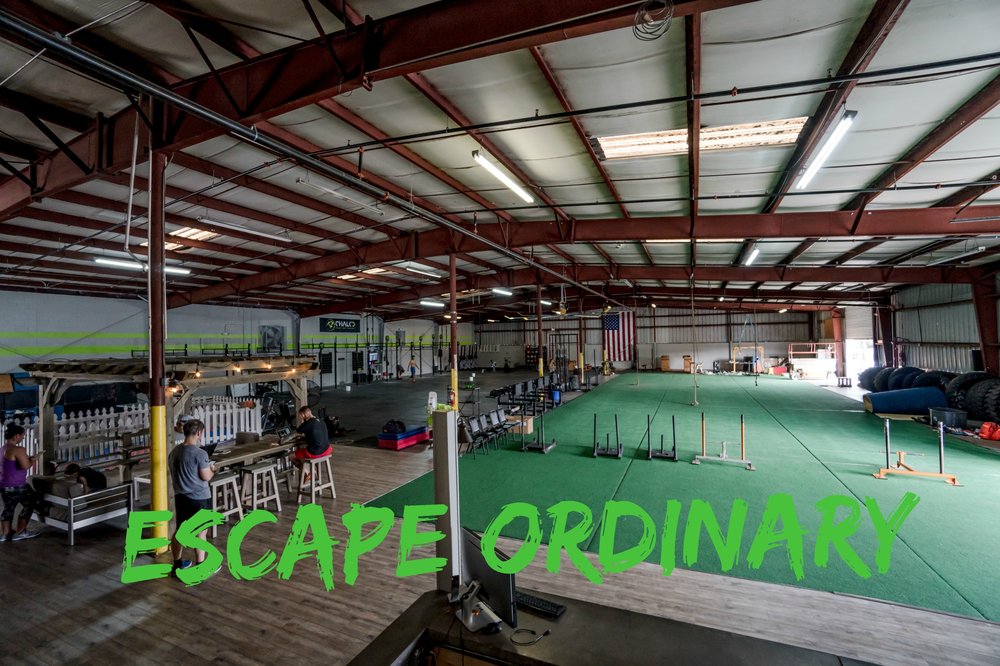
Explore popular things to do in the area, including Bernie Little Distributing, Kings Food Mart, and Big Wheels Bar B Q.
| Name | Category | Distance | Reviews |
Ratings by
Yelp
|
|---|---|---|---|---|
| Dining | 0.48 miles | 0 reviews | 0/5 stars | |
| Dining | 0.53 miles | 0 reviews | 0/5 stars | |
| Dining | 0.57 miles | 0 reviews | 0/5 stars | |
| Dining · $$ | 0.65 miles | 1 review | 2/5 stars | |
| Dining | 0.67 miles | 22 reviews | 4/5 stars | |
| Dining | 0.7 miles | 0 reviews | 0/5 stars | |
| Shopping | 0.66 miles | 0 reviews | 0/5 stars | |
| Shopping | 0.68 miles | 1 review | 5/5 stars | |
| Active | 0.28 miles | 0 reviews | 0/5 stars | |
| Active | 0.42 miles | 0 reviews | 0/5 stars | |
| Active | 0.43 miles | 6 reviews | 5/5 stars | |
| Active | 0.43 miles | 0 reviews | 0/5 stars | |
| Active | 0.53 miles | 13 reviews | 4.5/5 stars | |
| Active | 0.6 miles | 1 review | 1/5 stars | |
| Beauty | 0.14 miles | 0 reviews | 0/5 stars | |
| Beauty | 0.29 miles | 0 reviews | 0/5 stars | |
| Beauty | 0.53 miles | 0 reviews | 0/5 stars | |
| Beauty | 0.59 miles | 0 reviews | 0/5 stars | |
| Beauty | 0.6 miles | 0 reviews | 0/5 stars | |
| Beauty | 0.63 miles | 0 reviews | 0/5 stars | |
| Beauty | 0.64 miles | 0 reviews | 0/5 stars | |
| Beauty | 0.67 miles | 0 reviews | 0/5 stars | |
| Beauty | 0.69 miles | 0 reviews | 0/5 stars | |
| Beauty | 0.7 miles | 0 reviews | 0/5 stars | |
|
|
||||
|
|
||||
|
|
||||
|
|
||||
|
|
||||
|
|
Ocala has 26,238 households, with an average household size of 2.36. Data provided by the U.S. Census Bureau. Here’s what the people living in Ocala do for work — and how long it takes them to get there. Data provided by the U.S. Census Bureau. 64,903 people call Ocala home. The population density is 1,373 and the largest age group is Data provided by the U.S. Census Bureau.
Total Population
Population Density Population Density This is the number of people per square mile in a neighborhood.
Median Age
Men vs Women
Population by Age Group
0-9 Years
10-17 Years
18-24 Years
25-64 Years
65-74 Years
75+ Years
Education Level
Total Households
Average Household Size
Average individual Income
Households with Children
With Children:
Without Children:
Marital Status
Blue vs White Collar Workers
Blue Collar:
White Collar: