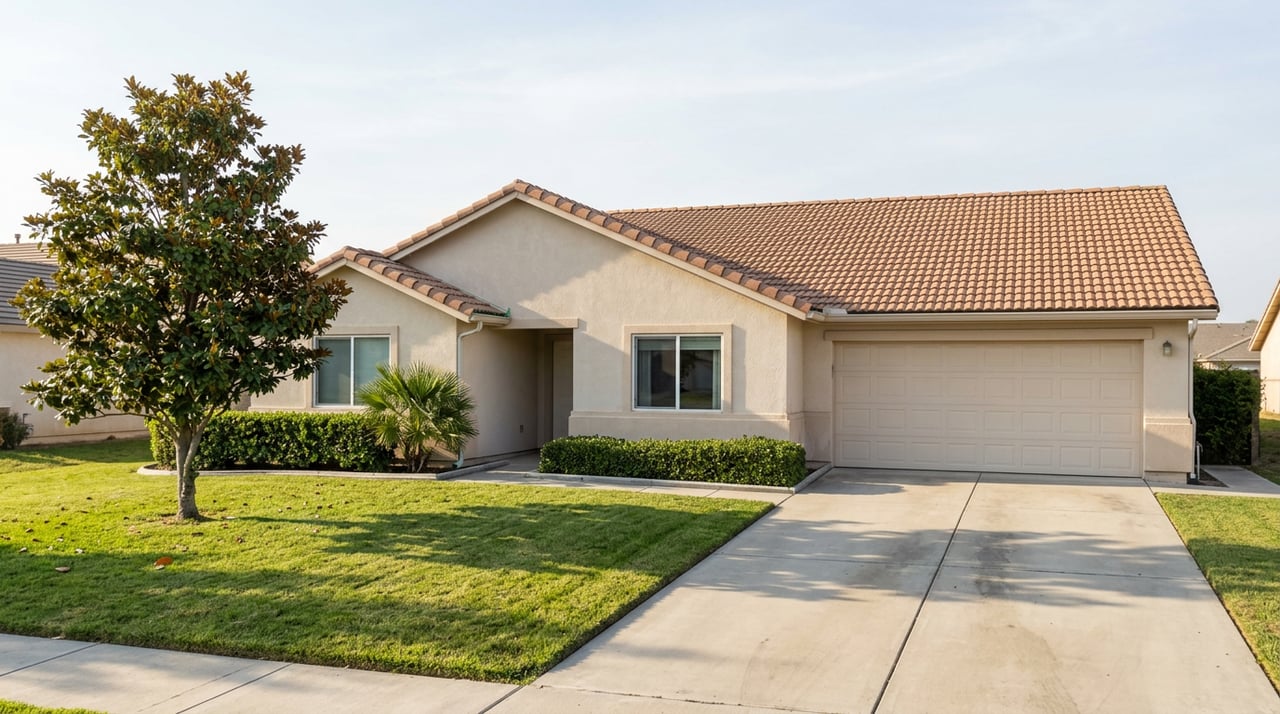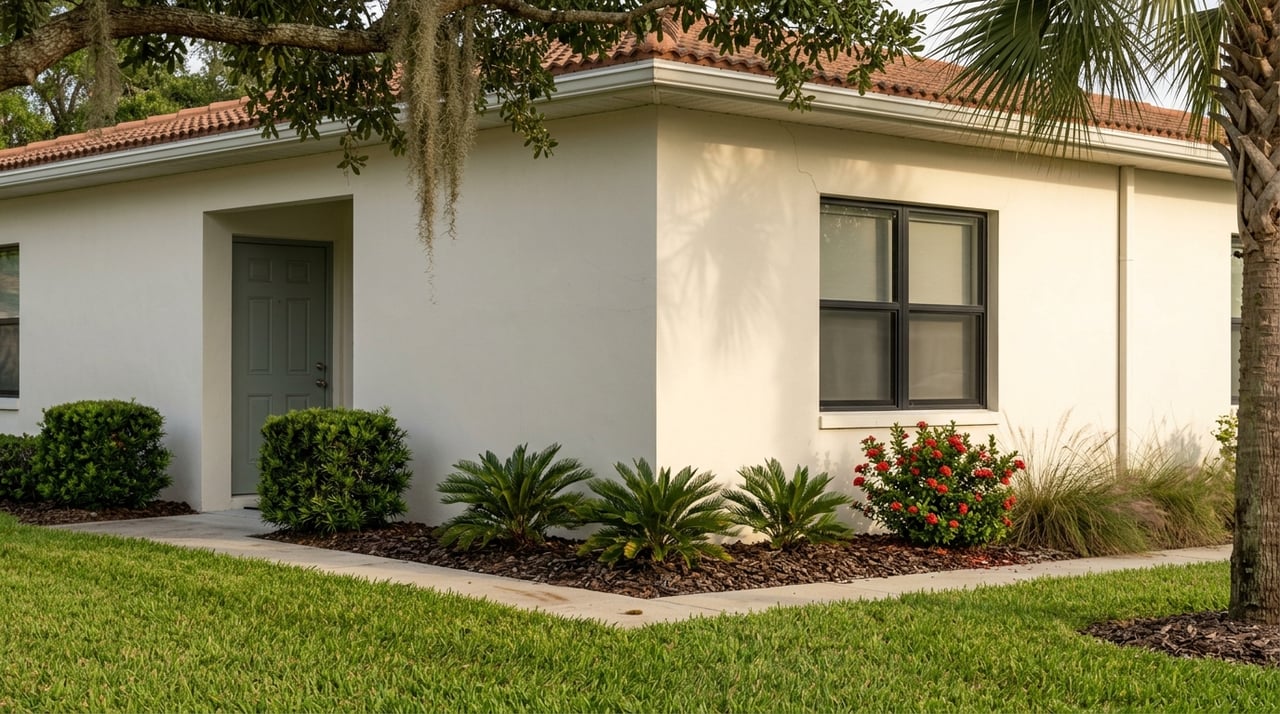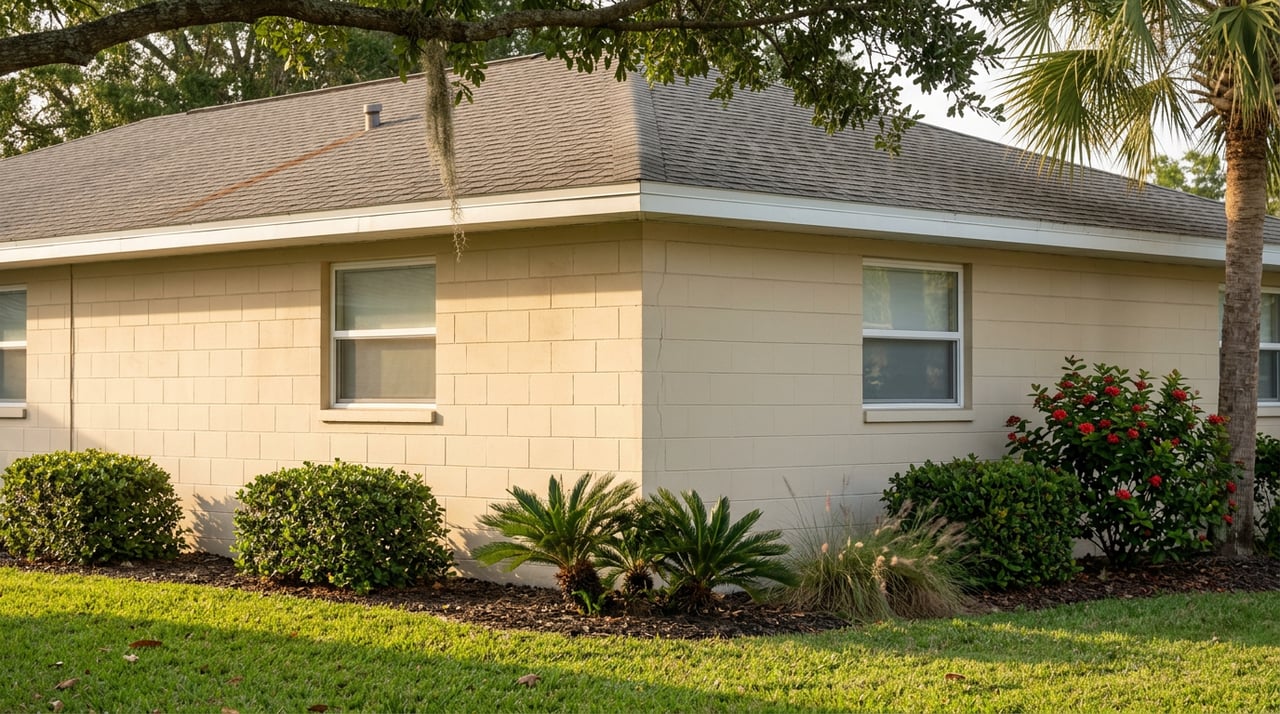
A seller in Woodfields gets a call from the title company two weeks before closing. The buyer's insurer wants a roof inspection report before binding a policy. The roof is 17 years old, still watertight, no active leaks, nothing the seller has ever worried about. This is a routine ask almost anywhere else in Marion County. A licensed inspector documents the roof still has useful life left, the carrier binds coverage, everyone signs on schedule.
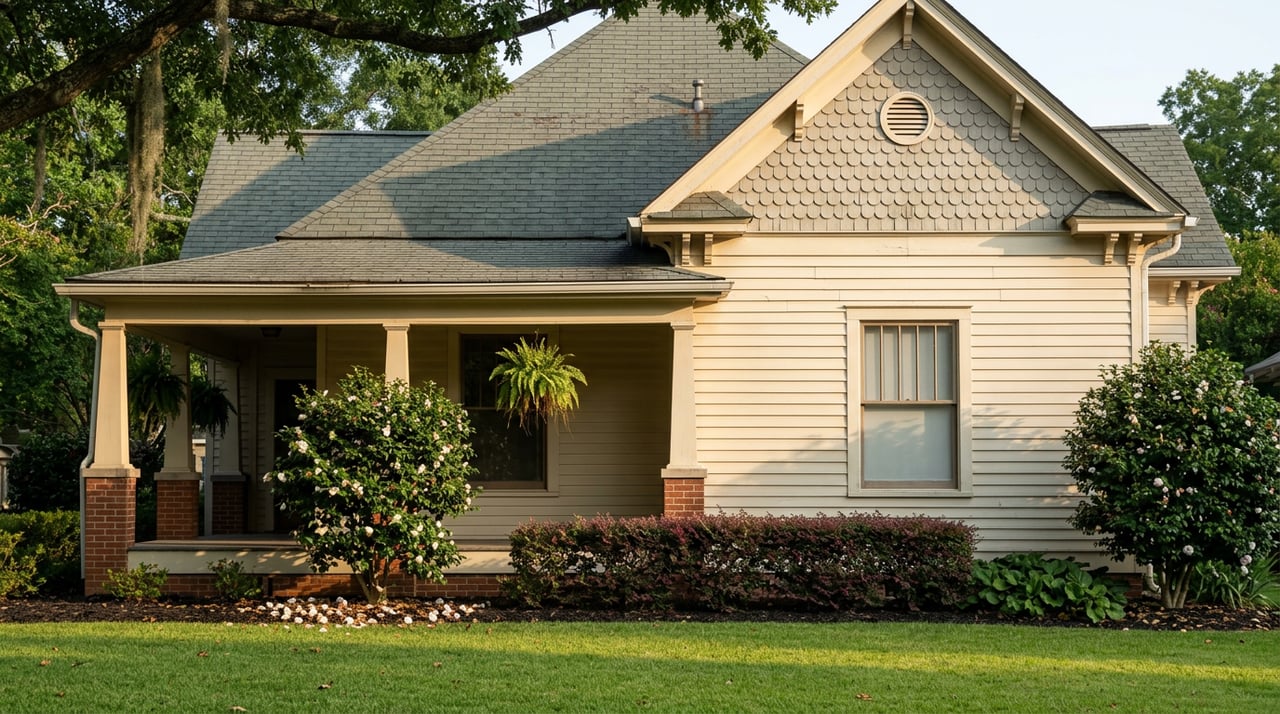
In Woodfields, that same phone call starts a second process the seller didn't know existed, because the house sits inside the locally designated Ocala Historic District, and a roof isn't just an insurance question here. It's a permitting question, and the permitting office runs on a schedule that has nothing to do with your closing date.
The clock everyone already expects
Florida law gives homeowners real protection against being dropped over roof age alone. Under the existing statute governing residential roof coverage, an insurer cannot refuse to issue or renew a policy solely because a roof has crossed the 15-year mark. Once a roof does hit that age, carriers can require an inspection, but if an authorized inspector documents at least five more years of useful life, the insurer has to accept that finding rather than force a replacement. A 2024 update to the law widened who counts as an authorized inspector to include licensed home inspectors, certified building code inspectors, and general or roofing contractors, not just engineers and architects.
If you've read anything else about Florida roof insurance rules this year, you've likely seen references to Senate Bill 808 and House Bill 815, both of which were reported as taking effect July 1, 2026 with new provisions splitting low-slope from steep-slope roofs. Both bills died in committee on March 13, 2026. They never became law. The rule actually governing your roof today is the one that was already on the books, the 15-year inspection trigger and the five-year remaining-life protection. Worth knowing before you take insurance advice from a blog post that never got updated after session ended.
That statute is the floor. It tells you an insurer can't deny coverage on age alone. It says nothing about how fast you can actually get a new roof installed if one is required, and that's where Woodfields diverges from the rest of Ocala.
The clock almost nobody mentions
Woodfields sits inside a section of the city where exterior changes require a Certificate of Appropriateness, reviewed by the Ocala Historic Preservation Advisory Board. Roofs are named explicitly in the list of work that triggers a COA, right alongside windows, doors, siding, porches, and additions. A building permit issued without one is invalid, and the city has a name for skipping the step: a $100 fee gets assessed if work starts before the certificate is approved.
The board meets once a month, the first Thursday at 4:00 p.m. in council chambers at City Hall on SE Watula Avenue, and the city asks for applications 30 days ahead of the meeting date. Once approved, a certificate is good for six months to start the work and twelve months to finish it. Extensions exist if you need one.
That's a meaningful gap between how a roof gets replaced in a newer SW Ocala subdivision and how it gets replaced two miles away under live oaks near the courthouse square.
| Step | Typical planned community | Woodfields / Ocala Historic District |
|---|---|---|
| Insurance inspection triggers roof review | Immediate, contractor-driven | Same |
| Permit application | Filed directly with the city | Requires COA first; permit invalid without it |
| Approval timeline | Standard permit review | 30-day application window, then wait for the monthly board meeting |
| Work window once approved | Starts as soon as scheduled | Must start within 6 months of COA, finish within 12 |
| If the home sells before work starts | No change | Original COA is void; new owner files a new application |
That last row matters more than it looks. If a roof issue surfaces during a sale and the seller starts the COA process, a change of ownership before the contractor breaks ground wipes out the application. The buyer inherits a roof that still needs work and a permitting clock that resets to zero.
What decides whether a review goes fast or slow
The board isn't approving projects on taste alone. Every decision is grounded in three documents: the Secretary of the Interior's Standards for Rehabilitation, the city's own Historic Preservation Design Guidelines, and the Ocala Historic Preservation Code itself. City staff recommend talking through a project with them before the COA application ever gets filed, and anything involving new construction, an addition, a fence, or other site work needs a site plan attached from the start.
None of that changes the calendar. It does change whether your one shot at that month's meeting turns into an approval or a request for more information that bumps you to the following month. A complete, pre-vetted application clears review on schedule. An incomplete one costs you another 30 days you didn't budget for, on top of the 30 you already spent getting to the meeting in the first place.
Where financing gets tangled in this
A lender won't close without proof of insurance in place. An insurer, under the standard roof-age rule, may accept a remaining-useful-life certification instead of demanding full replacement, which buys time on paper. But if that certification runs out, or if storm damage forces the issue mid-transaction, the roof work itself still can't start without a COA, and the COA still runs on its monthly cycle. A buyer who assumed "the insurance rules protect me" can find out the insurance rules were never the constraint. The city's calendar was.
Homes in the district also tend to draw more scrutiny from carriers for reasons beyond roof age. Original systems, older electrical and plumbing, and architectural details like wraparound porches or period millwork push some properties toward specialized coverage rather than a standard policy, since replacing those features costs more than modern equivalents.
A short FAQ
Does every exterior project in Woodfields need a Certificate of Appropriateness? Only in the locally designated portions of the district. Ocala has four historic districts total, and only the Ocala and Tuscawilla Park districts carry local designation, which is what triggers the COA requirement. The Downtown Commercial and West Ocala districts are nationally designated only, a different framework. The city's Ocala Map Experience tool lets you check an address against the local boundary before assuming either way.
If storm damage forces an emergency roof repair, is the COA process still required? Roof changes are listed among the work requiring a COA regardless of why the work is happening. Anyone facing storm damage in the district should contact the city's historic preservation staff directly and early, since the standard process still assumes advance notice.
Can a buyer just wait until after closing to deal with a roof COA? That depends on what the lender and insurer require before closing. If the insurer has already accepted a remaining-useful-life certification, the roof itself may not block closing. If a carrier is demanding replacement as a condition of binding coverage, the timeline problem shows up before the closing table, not after.
Does painting a historic home require a COA too? Yes, though the city allows more flexibility on color than on structural changes. Masonry that was historically painted can stay painted; masonry that was never painted shouldn't be. The distinction is one more reason to loop in preservation staff before a project starts rather than after.
Where a local team earns its fee
None of this makes a Woodfields sale harder to complete. It makes the sequence different from what a buyer coming from a newer SW Ocala community expects, and sequence is exactly the kind of thing that's easy to miss until it's costing you a week you don't have before closing.
If you're weighing a sale in Woodfields, or you're under contract on a home there and want to know what a roof issue actually means for your timeline, our team at Next Generation Realty works this neighborhood regularly and can walk through what the calendar realistically looks like for your specific property. You can also see current listings and community details on our Woodfields / Ocala Historic District page, or read our earlier guide on what to know before buying in Ocala's Woodfields district for more on the neighborhood itself. Contact Us when you're ready to talk through the timing on your roof, your sale, or both.