Are you trying to figure out which part of Ocala actually fits the way you want to live, not just the number of bedrooms you need? That question matters here because Ocala is not one single neighborhood style. It is a mix of historic districts, planned communities, 55+ neighborhoods, and rural horse-country settings, each with a very different day-to-day feel. If you want to narrow your search with more confidence, this guide will help you match your lifestyle to the right kind of Ocala neighborhood. Let’s dive in.
Why Ocala Feels So Different by Area
Ocala works best when you think about it in lifestyle clusters. Two homes at similar price points can offer very different experiences depending on whether you want walkable downtown energy, newer amenities, age-restricted living, or more land and privacy.
That is one reason buyers can feel overwhelmed at first. The good news is that once you focus on how you want your daily routine to look, your search usually gets much clearer.
Historic Ocala for Central, Character-Filled Living
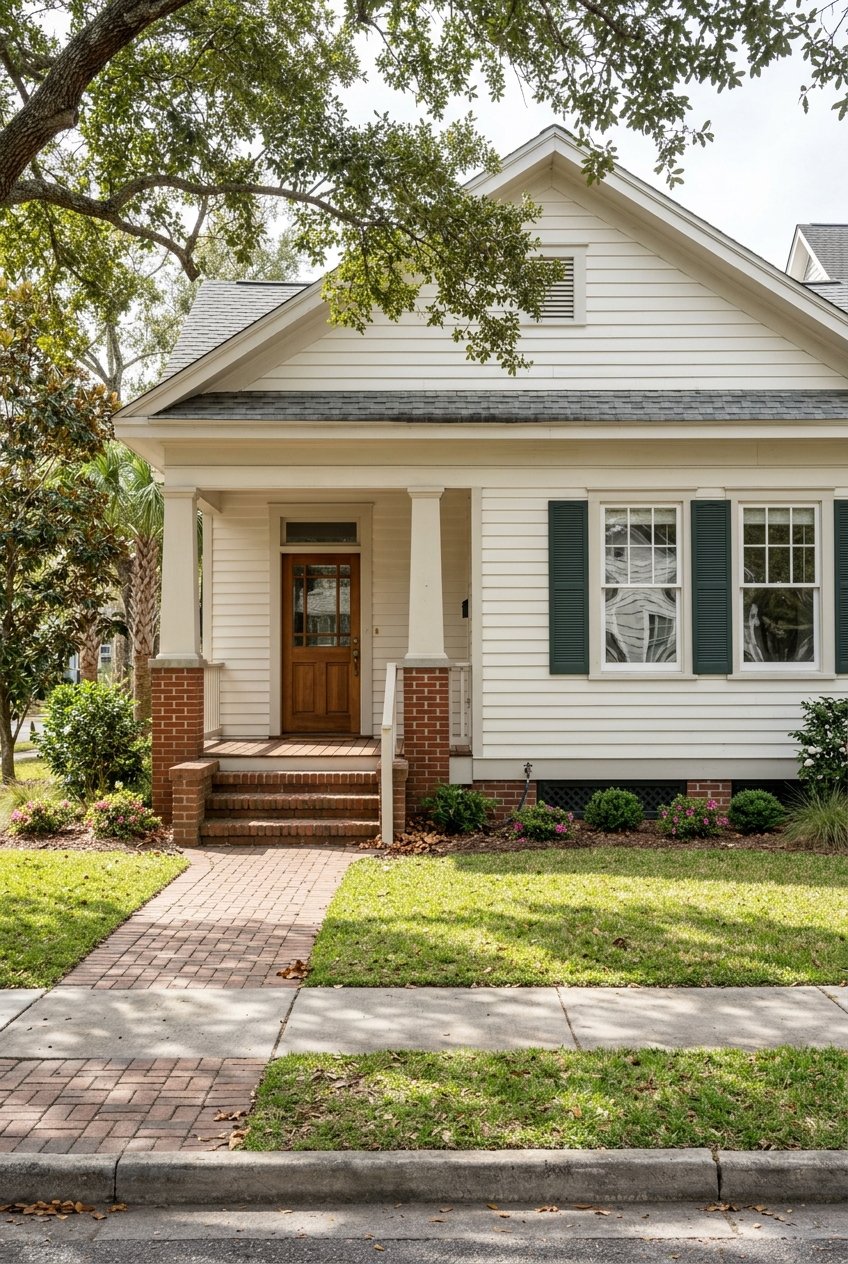
If you love older architecture and an in-town setting, historic Ocala may feel like the right fit. The City of Ocala has four historic districts, including the Ocala and Tuscawilla Park districts, which are locally and nationally designated.
The Ocala Historic District includes buildings from the 1880s through 1930. That gives this part of the city a sense of architectural character that is very different from newer subdivisions.
Downtown living also puts you closer to civic and cultural activity. The city highlights amenities and programs such as the First Friday Art Walk, downtown parking guidance, and a downtown trolley initiative designed to make the area easier to enjoy.
Who historic areas often suit
This type of neighborhood is often a strong match if you want:
- Older homes with architectural character
- A more central location
- Proximity to downtown events and activity
- A less uniform feel than newer construction
What to ask before buying in a historic district
Historic appeal can come with extra rules. In local historic districts, some exterior changes may require review through the city’s Certificate of Appropriateness process.
That does not make these homes harder to love. It just means you should understand what changes may need approval before you buy, especially if you already have renovation plans in mind.
Master-Planned Communities for Newer Homes and Amenities
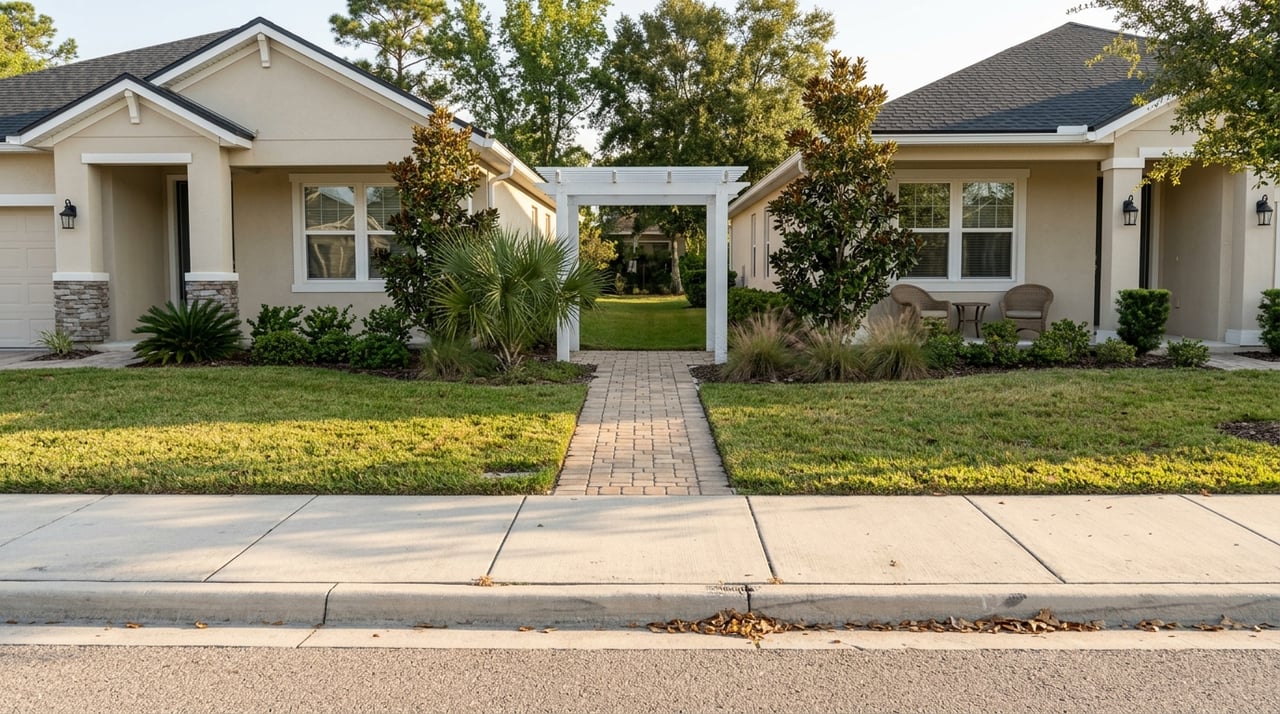
If you picture a newer home, a planned layout, and built-in amenities, a master-planned community may be your best match. In Ocala, this lifestyle is easy to see in communities like Calesa Township, which describes itself as a master-planned, all-ages community.
Calesa highlights miles of trails, resort-style amenities, pools, playgrounds, dog parks, a skate park, sports courts, and an aquatic center. Its materials also note an on-site K-8 public charter school and neighborhood parks.
For many buyers, that setup creates convenience. Instead of driving all over town for recreation, many daily activities are built into the neighborhood itself.
Who planned communities often suit
This type of Ocala neighborhood may be a good fit if you want:
- A newer-home feel
- Shared amenities close to home
- Parks, trails, or recreation areas
- An all-ages environment
- A neighborhood with a more structured layout
What to ask about fees and community structure
Planned communities often include recurring fees. Those fees can cover shared spaces, amenities, or community services, but the details can vary by neighborhood and even by phase.
Before you move forward, ask what each fee covers, how often it is paid, and whether costs differ between sections. That simple step can make it easier to compare one community to another.
55+ Communities for Active-Adult Living
Ocala is especially well known for active-adult options, and this is where lifestyle matching becomes very important. If you want a social setting with amenities and age restrictions, a 55+ community may offer the kind of daily experience you are looking for.
Del Webb Stone Creek is marketed as a 55+ community in Ocala with an 18-hole championship golf course, an on-site restaurant, pools, sports courts, a fitness center, RV and boat storage, and a lifestyle director. The community also emphasizes clubs, classes, and resort-style living.
On Top of the World also describes itself as a 55+ active adult retirement community. Its materials list 54 holes of golf across three courses, indoor and outdoor swimming pools, fitness centers, tennis, pickleball, bocce, restaurants, cultural venues, more than 16 miles of walking trails, and multiple dog parks.
Who 55+ communities often suit
These neighborhoods are often a natural match if you want:
- Age-restricted living
- A built-in social atmosphere
- Golf, fitness, and recreation nearby
- Clubs, classes, or organized activities
- A lifestyle-focused move for retirement or downsizing
What to compare in active-adult communities
Not all 55+ communities feel the same, even when they offer similar amenities on paper. One may feel more golf-centered, while another may feel broader in its recreation and cultural options.
You will also want to ask about association fees, golf-related fees, and what amenities are included. If you are deciding between new construction and resale in a 55+ neighborhood, it also helps to compare not just price, but timing, upgrades, and ongoing costs.
Rural and Equestrian Areas for Land and Privacy
If your ideal Ocala lifestyle includes acreage, privacy, or horse-related use, rural and equestrian areas deserve a close look. Marion County officially brands the area as the Horse Capital of the World® and says equines cover more than 195,000 acres of prime land.
That identity is not just marketing. Ocala and Marion County are deeply connected to horse country, and the area includes horse-oriented land uses and equestrian infrastructure that are harder to find in many other Florida markets.
World Equestrian Center also describes Ocala as Central Florida horse country. Marion County maintains equestrian-friendly recreation too, including Norm Westbrook Park, which has 1.5 miles of equestrian trail.
Who rural properties often suit
A rural or equestrian area may be the best fit if you want:
- More land and privacy
- Space for barns or horse-related use
- A less dense setting
- Flexibility that may not exist in city neighborhoods
What to verify before buying acreage
With land or rural property, details matter. Before you assume a property can support your intended use, verify zoning, land use rules, subdivision requirements, floodplain considerations, and utility availability through Marion County Planning and Zoning and the Land Development Code.
This step is especially important if you are buying land, planning horse use, or looking at a property with a more specialized purpose. In some areas, utility questions can matter just as much as the lot size itself.
How to Choose the Right Ocala Neighborhood
A good home search starts with your routine, not just your wishlist. When you think clearly about how you want to spend your time, the right neighborhood type usually becomes easier to spot.
Start by asking yourself a few practical questions:
- Do you want character and central location, or newer construction and neighborhood amenities?
- Would you prefer an all-ages setting or a 55+ community?
- How important are golf, trails, pools, or social clubs?
- Do you want a smaller lot with lower upkeep, or acreage and privacy?
- Are you comfortable with neighborhood rules, review processes, or recurring fees?
Once you answer those questions, it becomes easier to compare options with confidence. You are no longer just shopping for a house. You are choosing the version of Ocala that fits your next chapter.
Why Local Guidance Helps
Because Ocala has several distinct neighborhood types, broad online searches only tell part of the story. The real difference often comes down to details like community fees, age restrictions, exterior rules, utility considerations, or how a neighborhood feels once you spend time there.
That is where local, community-specific guidance can save you time and stress. When you have a team helping you compare lifestyle fit, new construction versus resale, and the fine print that affects ownership, your decision gets much easier.
Whether you are drawn to Stone Creek, On Top of the World, a newer planned neighborhood in SW Ocala, or land in horse country, the best move is the one that supports how you actually want to live. If you want help comparing Ocala neighborhoods and narrowing your options, connect with Next Generation Realty for clear, local guidance from search to closing.
FAQs
What type of Ocala neighborhood is best for older homes and downtown access?
- Historic Ocala is often the best fit if you want architectural character, a central in-town setting, and access to downtown activity and cultural events.
What type of Ocala neighborhood is best for newer homes and shared amenities?
- Master-planned communities like Calesa Township may be a strong match if you want newer homes, trails, pools, parks, playgrounds, and a more structured neighborhood layout.
What type of Ocala neighborhood is best for 55+ buyers?
- Age-restricted communities such as Del Webb Stone Creek and On Top of the World are designed for 55+ living and offer amenities like golf, fitness, pools, clubs, and social programming.
What should you verify before buying rural land in Ocala?
- You should verify zoning, land use rules, subdivision requirements, floodplain issues, and utility availability with Marion County before assuming a property can support your intended use.
Do Ocala planned communities and 55+ neighborhoods have fees?
- Many planned and 55+ communities have recurring fees, and buyers should ask what those fees cover, whether golf or other amenities cost extra, and whether fees vary by section or phase.
Do historic districts in Ocala have exterior rules?
- Yes. In local historic districts, some exterior changes may require city review through the Certificate of Appropriateness process.